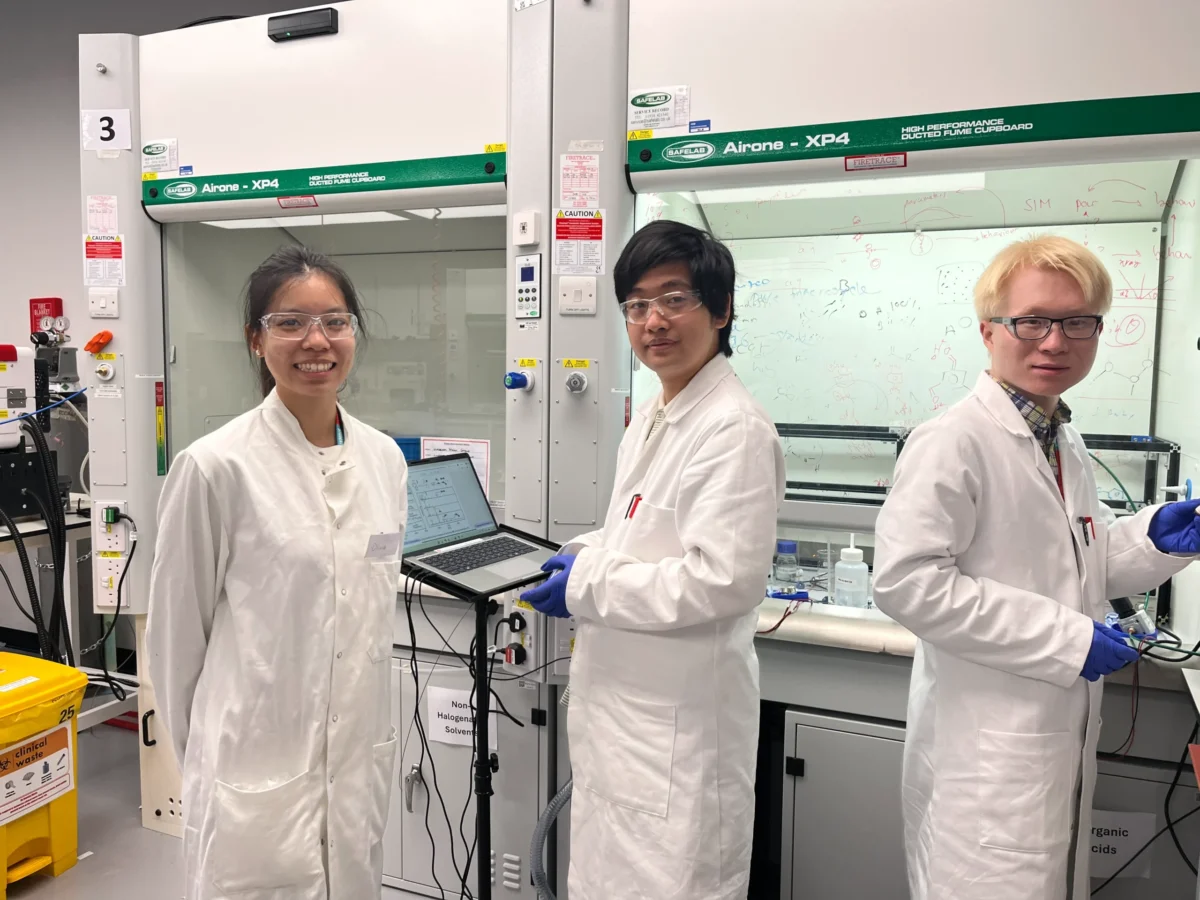
Hi, I’m Olivia Su. I just completed the first year of my Chemistry BSc degree at King’s College London, and I joined Dr. Hessam Mehr’s group through the King’s undergraduate research Fellowship (KURF) this summer for a four-week research placement.
Before joining the group, all my laboratory experience had come from teaching laboratories. We receive detailed instructions, follow a procedure that has already been tested many times, and obtain a result that is close to what we expect. However, real research does not work in the same way. Even with a proposal and plans, the answers are never written on the back page of the instructions. We can only formulate hypotheses about what might happen and then test them through experiments. Along the way, we often encounter setbacks, reach dead ends, and have to rethink our approach.
That is what exactly fascinates me. I am always open to learn new things and the Mehr Group is a highly interdisciplinary environment where the research not only involves chemistry but also material science, coding and instrument development. As a first-year undergraduate student, this was an incredible opportunity to experience firsthand what chemistry research looks like beyond lectures.
Exploring chemistry inside aerosol microdroplets
The research I was involved in focused on aerosol chemistry. In simple terms, solutions containing different compounds are introduced as very small aerosol droplets. Because these droplets have a high specific surface area and can undergo rapid evaporation and interfacial processes, some reactions may proceed differently or more quickly than they do in a conventional bulk solution. We were investigating whether aerosol microdroplets could help promote bond formation between molecules under simpler or milder conditions. In our experiments, signals corresponding to some smaller combined species had already been detected. However, forming the larger cyclic structures required for organic materials remained challenging.
Instruments provide clues, but not answers
During the four weeks, I was mainly shadowing under both Luokun Zhang and Zehua Li, assisting them with sample preparation and characterization. Since we could not directly observe what was happening between the compounds inside each droplet, we needed extensive testing to gather evidence about what the samples contained.
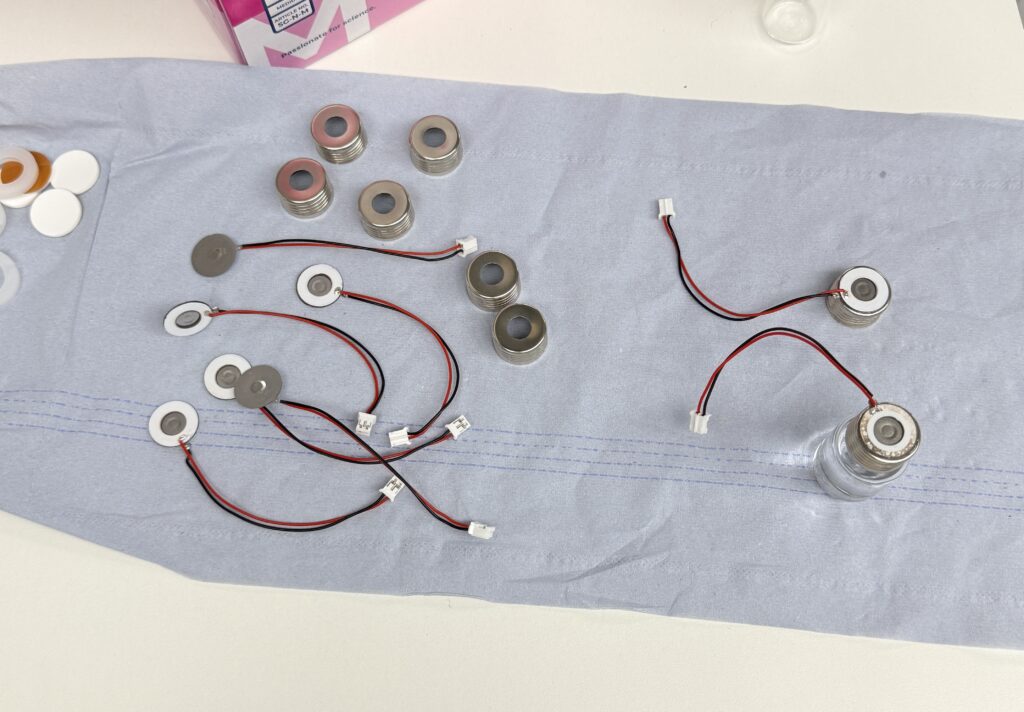
During the project, I had the opportunity to work with several characterisation techniques. X-ray diffraction (XRD) was the first technique I was introduced to. XRD helped us investigate whether the samples showed crystallinity or some degree of structural order. I also joined PhD students during matrix-assisted laser desorption ionisation mass spectrometry (MALDI-MS) and desorption electrospray ionisation mass spectrometry (DESI-MS) measurements. These mass spectrometry techniques allowed us to search for signals that might correspond to the starting materials or newly formed compounds.
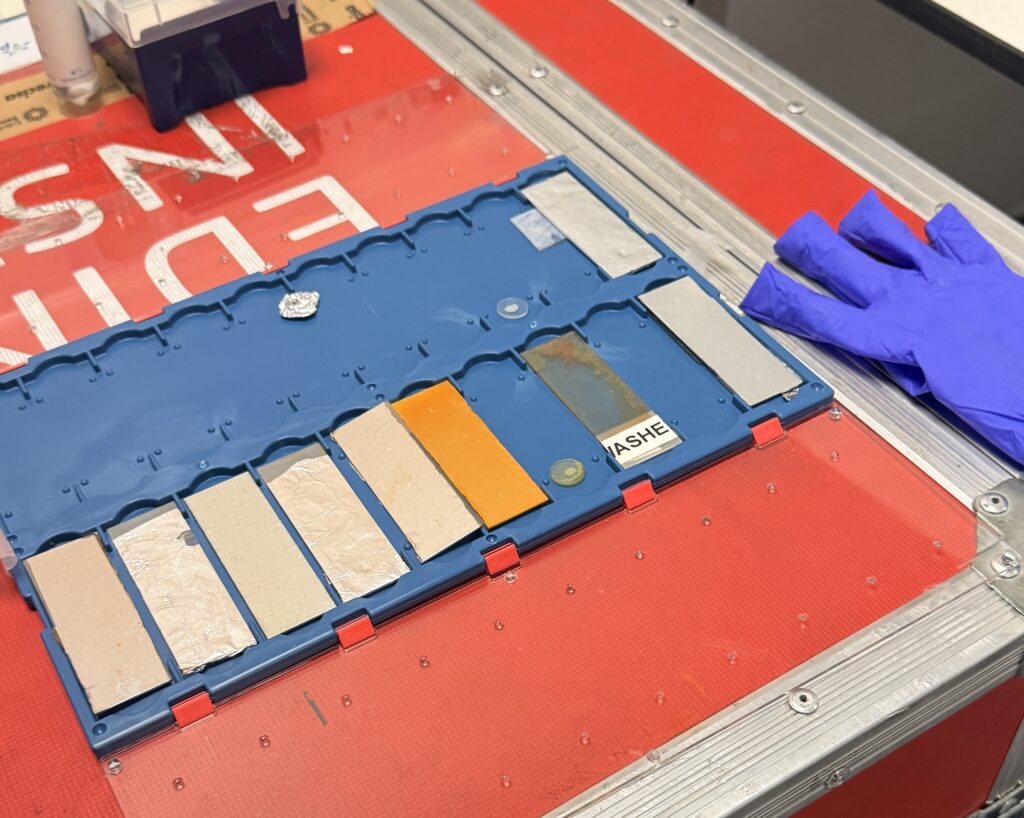
Raman microscopy was another technique that left a strong impression on me. Unlike teaching laboratories, where procedures are usually fixed and clearly explained, working with Raman spectroscopy was far from straightforward. Obtaining meaningful data required careful focusing, selecting suitable measurement positions, and repeatedly adjusting the experimental parameters. Even different areas of the same sample could produce different spectra, so we compared several measurements before deciding which results were reliable and worth investigating further.
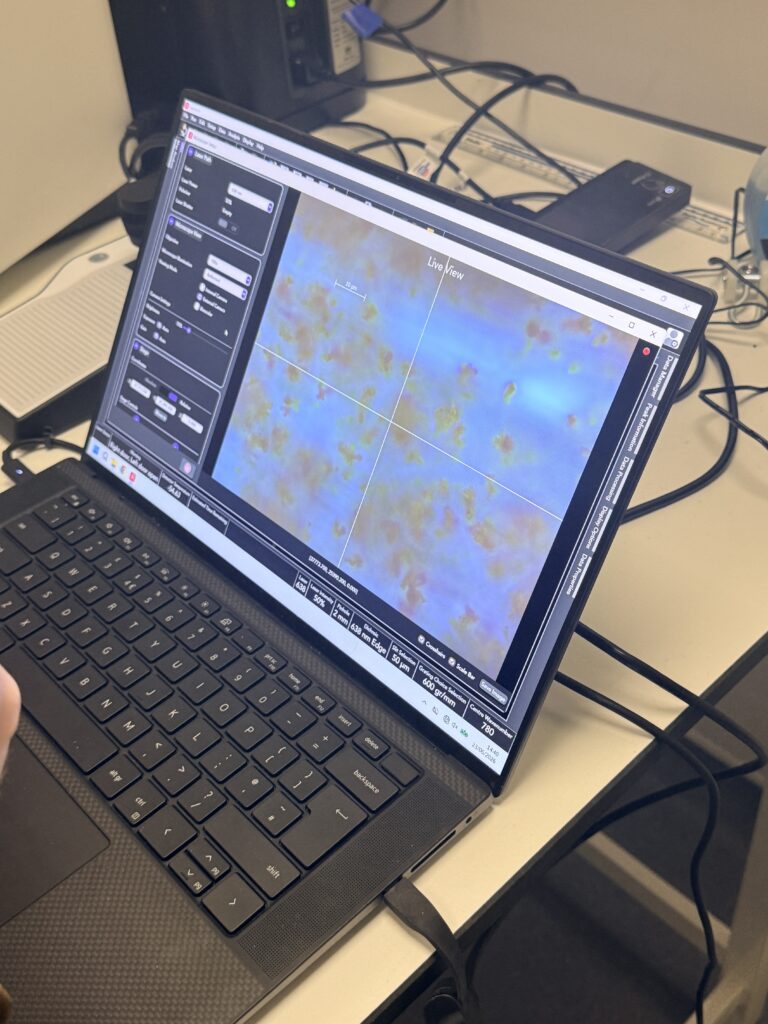
Working with these instruments made me realize that experimental data does not always appear in the way we expect. Sometimes the instruments did not perform as expected, and on other occasions, we could spend an entire morning measuring a sample without obtaining a single useful result. In teaching laboratories, when my results did not match the expected answer, my first reaction was usually to wonder whether I had made a mistake. In real research, however, the outcome can be influenced by many factors, including the sample itself, the preparation method, the measurement conditions, variations between different areas of the sample, and the condition of the instrument.
No single technique could provide the complete answer. XRD, mass spectrometry, and Raman microscopy each revealed a different aspect of the samples. Only by comparing the evidence obtained from several techniques could we gradually build a clearer picture of what might be happening inside the microdroplets. This experience helped me understand that instruments do not simply give researchers an answer. Instead, they provide clues, and we need to interpret those clues.
Beyond the bench
I have learned how to manage literature using Zotero and have also become acquainted with tools such as Inkscape and CAD. Although my proficiency in using them is still at the beginner level, they have enabled me to realize that the skills required for modern chemical research go far beyond preparing solutions and operating instruments.
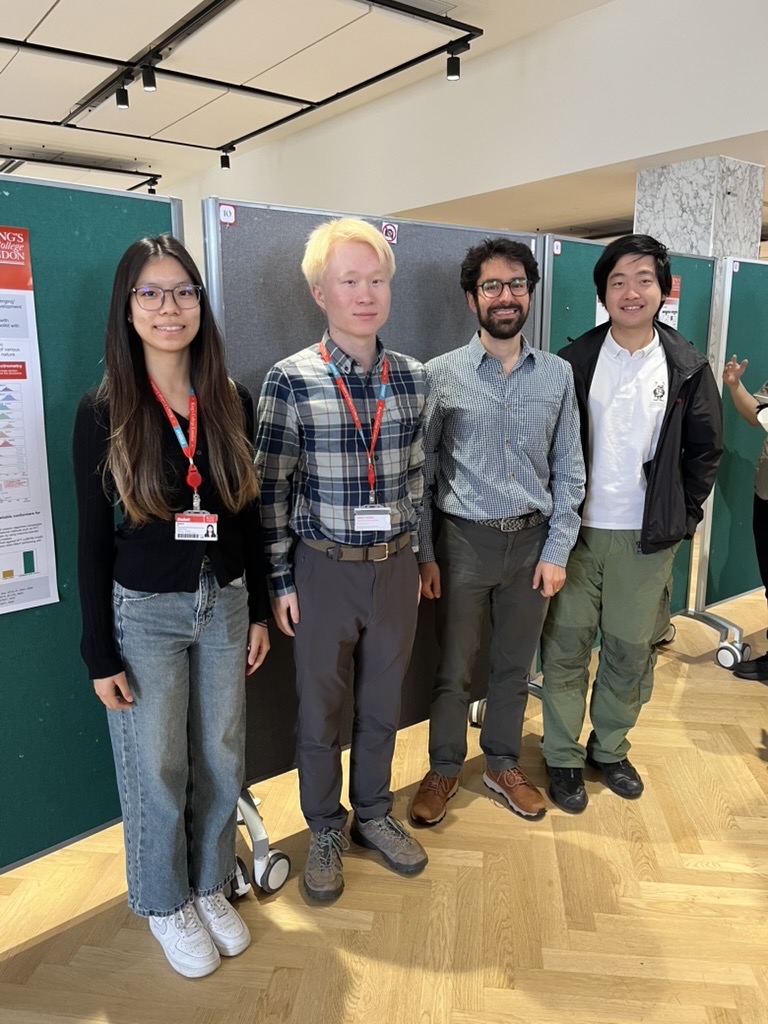
I also attended a one-day session of student presentations and poster sessions, where students from different research groups presented their projects. Many of the topics were still unfamiliar to me after just finishing my first year of college, but I found the experience highly intellectually challenging and inspiring.
Watching seniors in the group using coding to solve problems also made me realize that computers and data analysis are becoming an increasingly important part of chemical research.
After KURF
Four weeks was far too short for me to complete an independent research project from beginning to end, and I did not leave with a final outcome that could simply be labelled a “success” or a “failure”. However, the value of the KURF internship went far beyond achieving a final result. More importantly, it gave me the opportunity to experience and learn from the research process itself.
I saw how a research project begins with a question, how the next experiment is planned in response to existing results, and how the direction of a project continues to evolve as new evidence emerges. I also experienced the less predictable side of research, including instruments not always cooperating, measurements needing to be repeated, and research plans constantly being reconsidered and adjusted.
For me, the greatest takeaway was not learning how to use one particular instrument, but developing a much clearer and more realistic understanding of what scientific research actually involves. Research does not always produce visible progress every day, nor does it necessarily provide clear answers straight away. More often, it is a process of continuing to experiment, gathering clues, and deciding what to do next based on the limited information available.
I entered the lab with the question “What happens within a single droplet?” Four weeks later, I still cannot provide a simple answer, but I have experienced how chemistry moves beyond the concepts taught in lectures and becomes an open-ended process of questioning, testing, and adapting in a real laboratory.
Leave a Reply
You must be logged in to post a comment.