2025 was a year of big changes and lots of activity in the group. Here’s a look back at what we’ve been up to, the research and the great people behind it all.
People
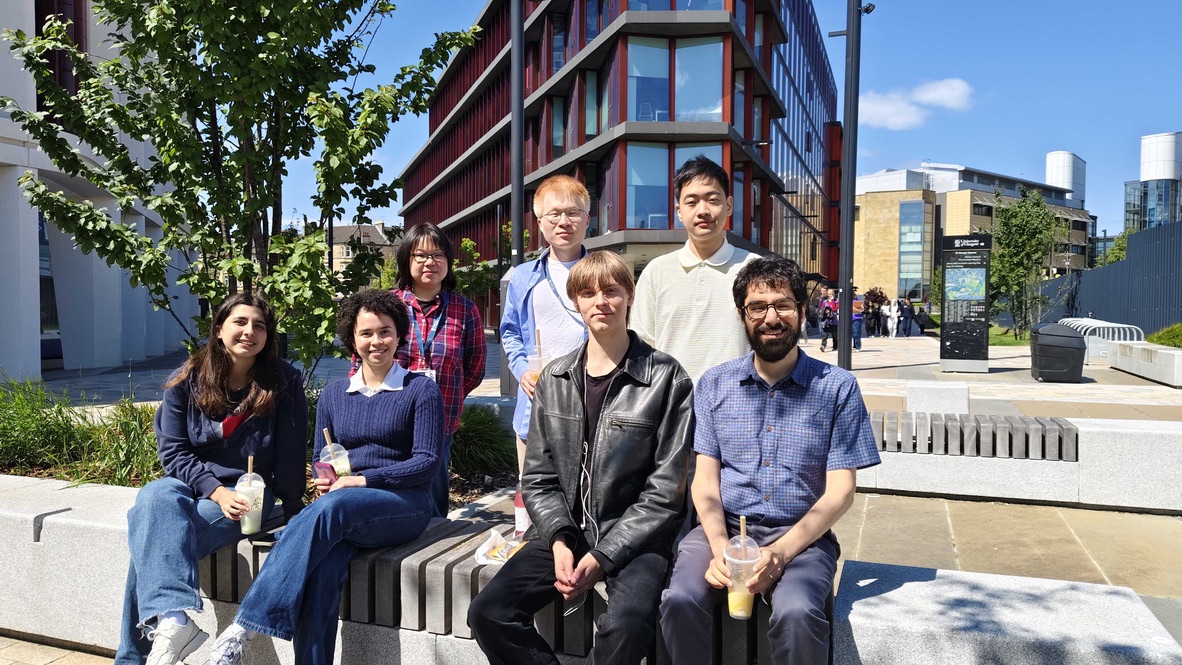
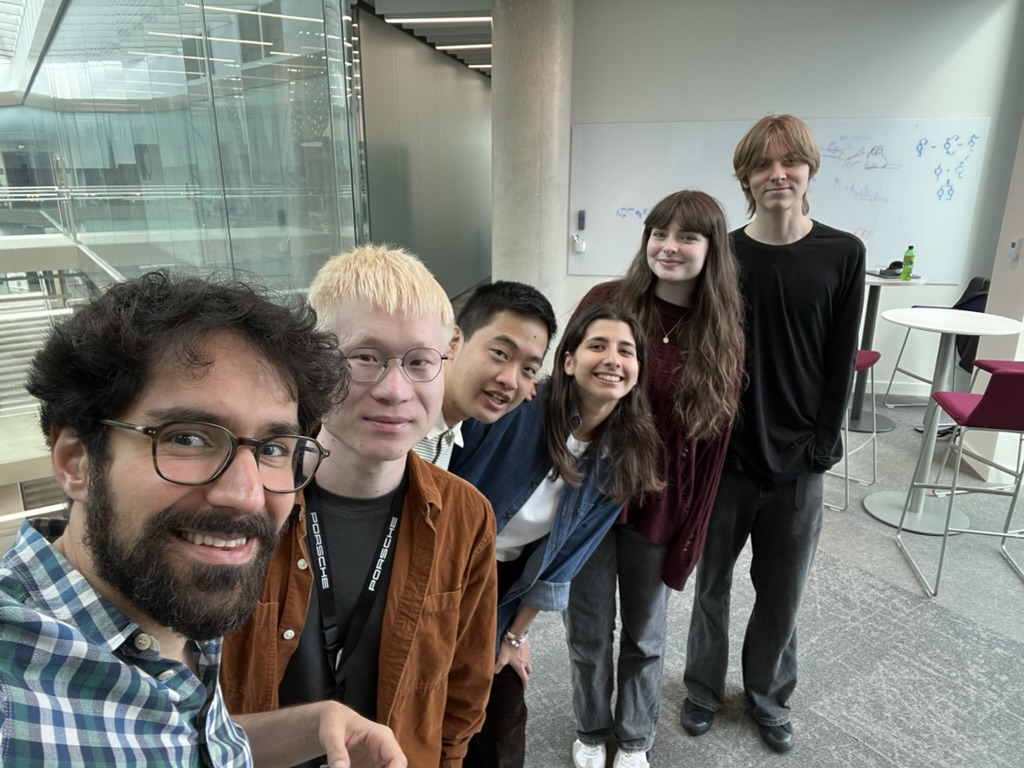
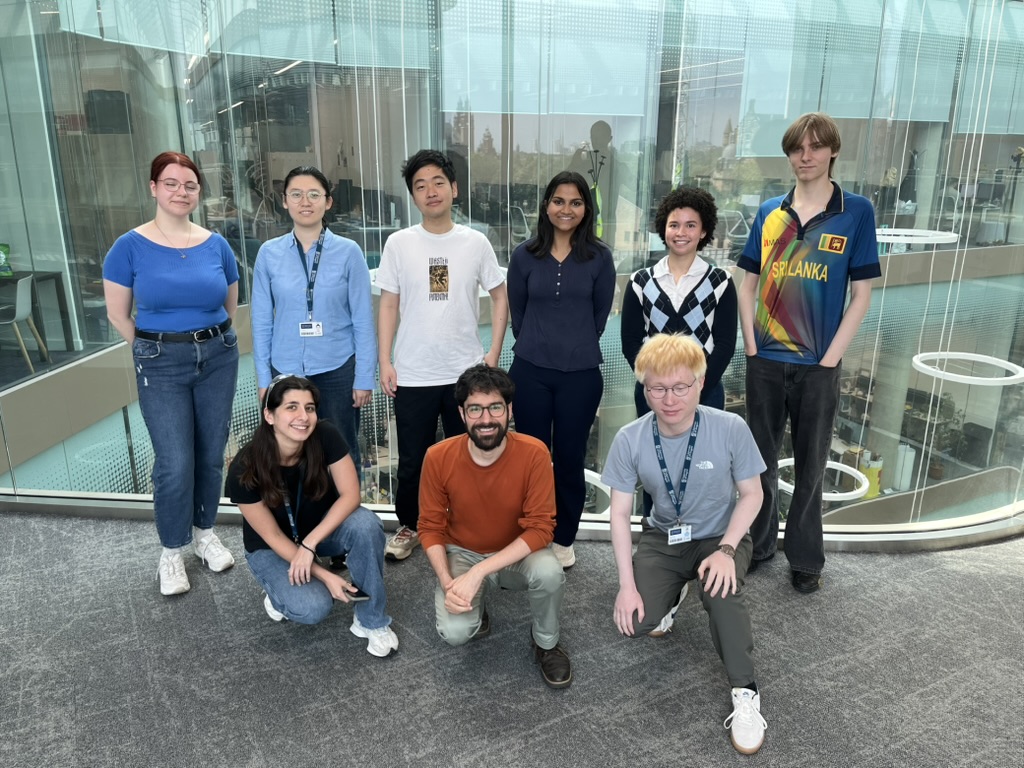
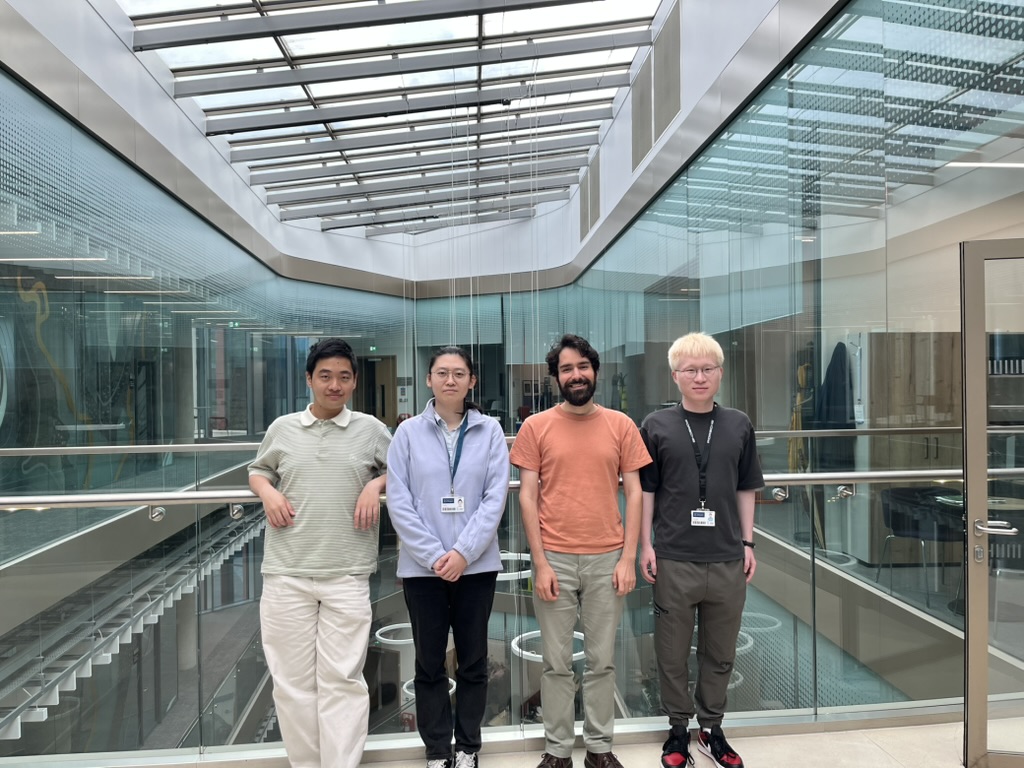
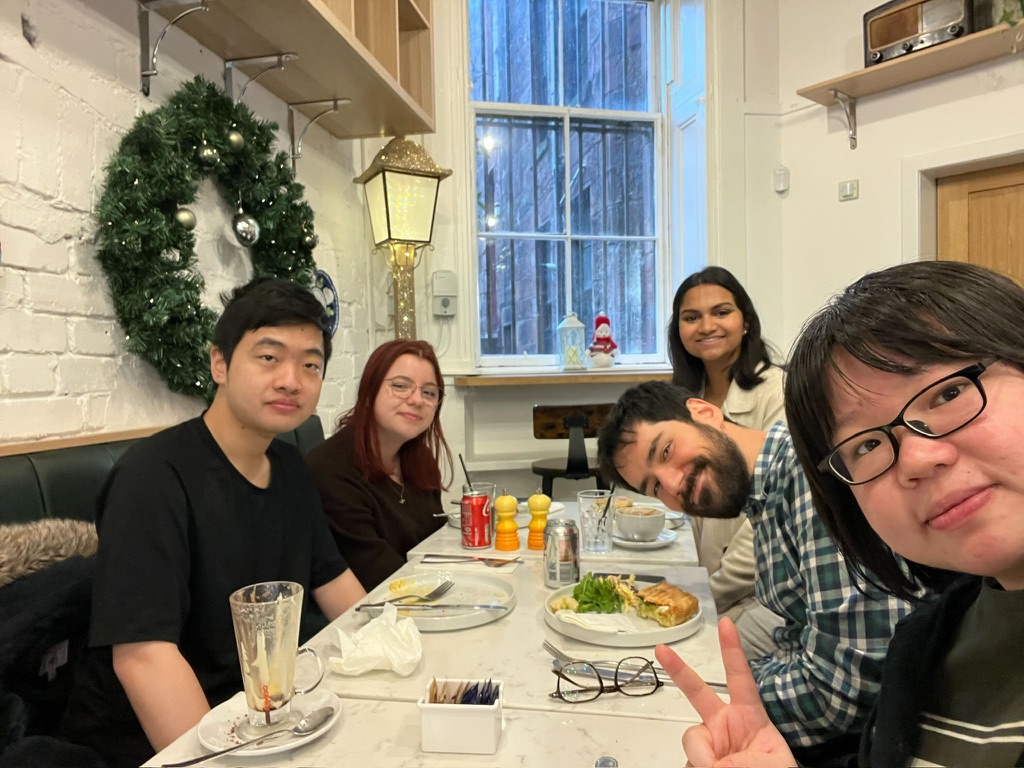
Some wonderful students (Basia, Kyriaki and Yushan), visitors (Mariam) and interns (Atticus, Jessica and Mirin) joined us this year.
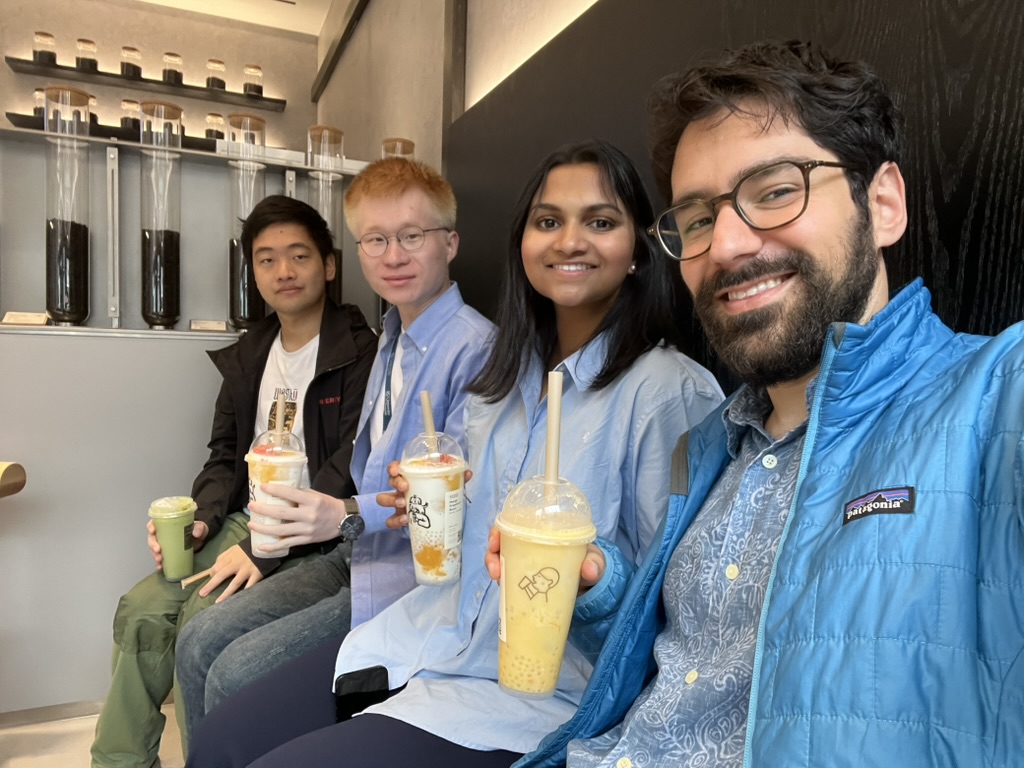
Lots of bubble tea was enjoyed this year.
I feel extremely grateful for having had the opportunity to work and stay in touch with these wonderful people. Our team has shrunk since the summer but I look forward to starting 2026 with four PhD students: Haowen, Nick, Luokun and Zehua.
Projects
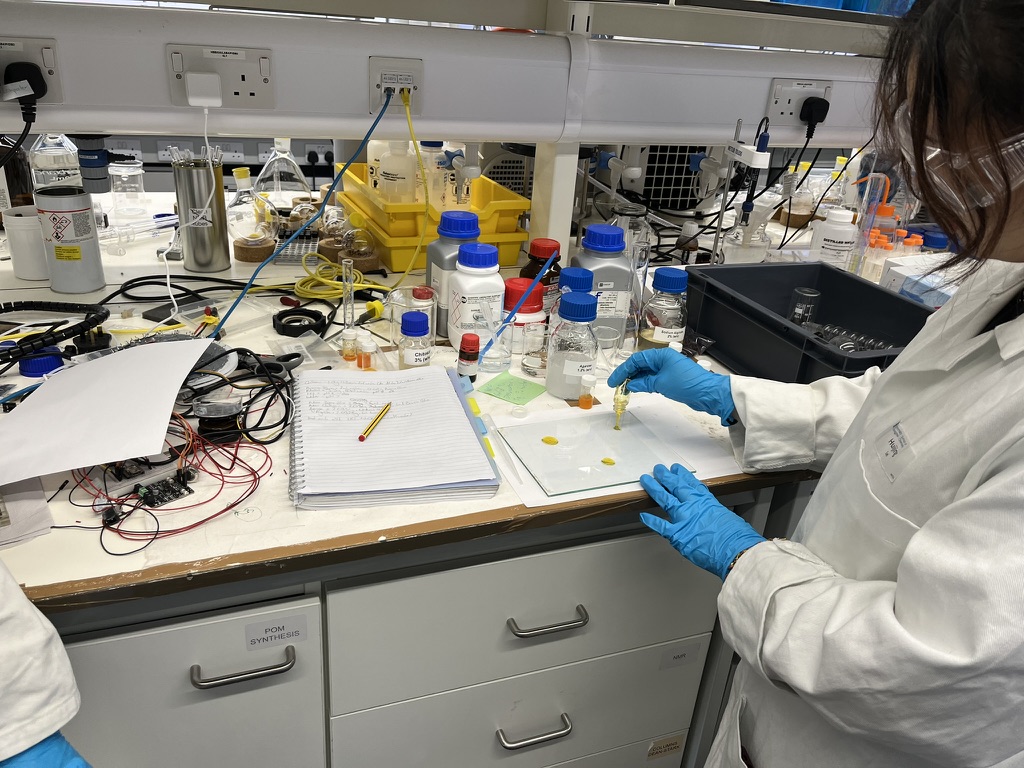
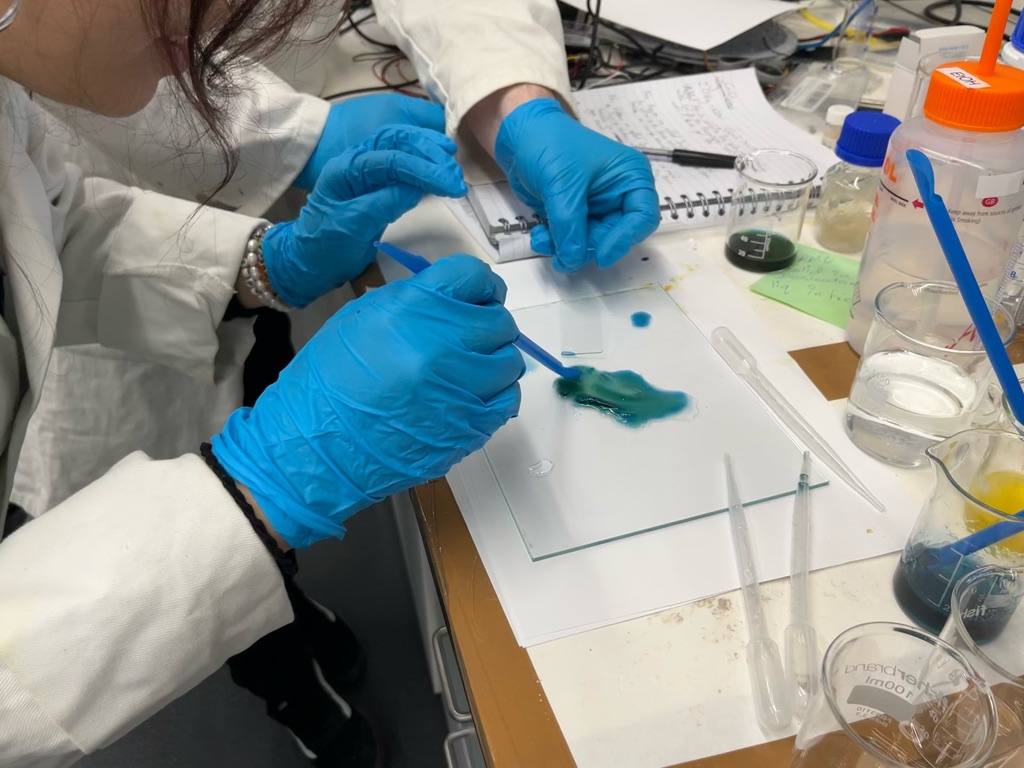
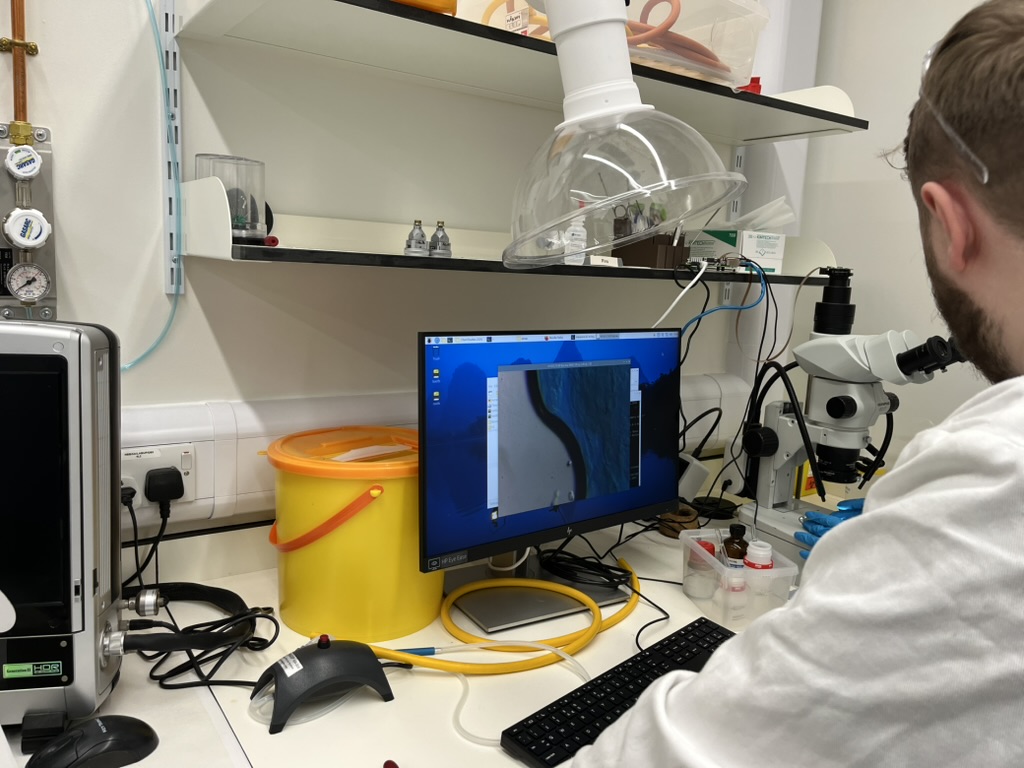
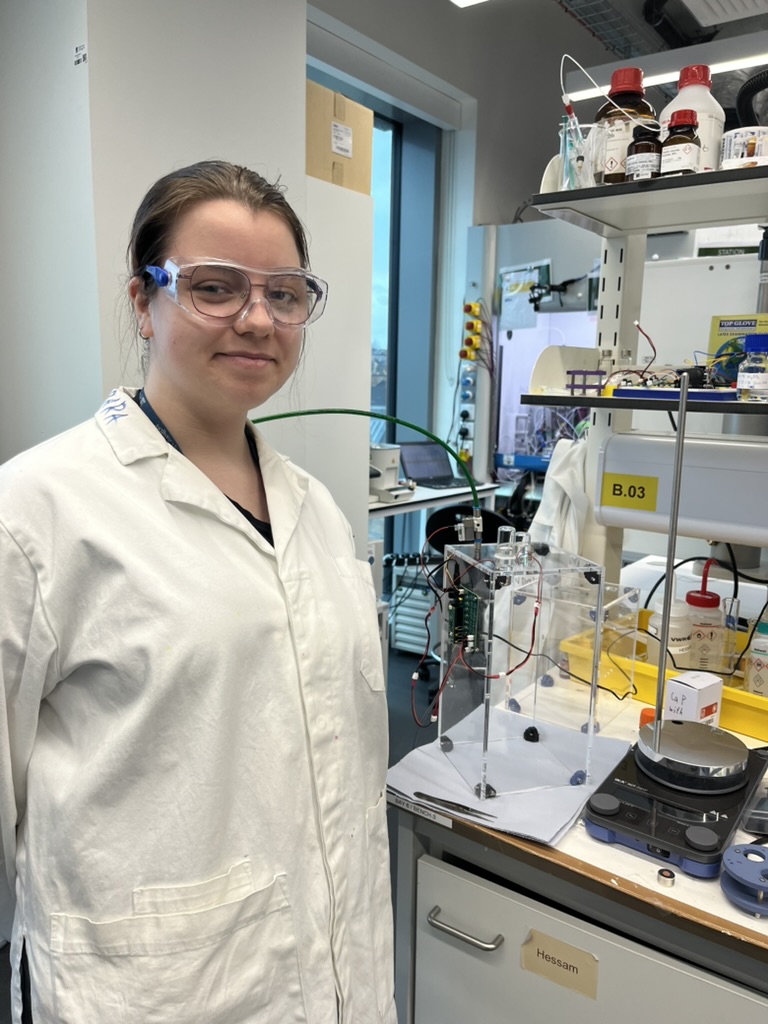
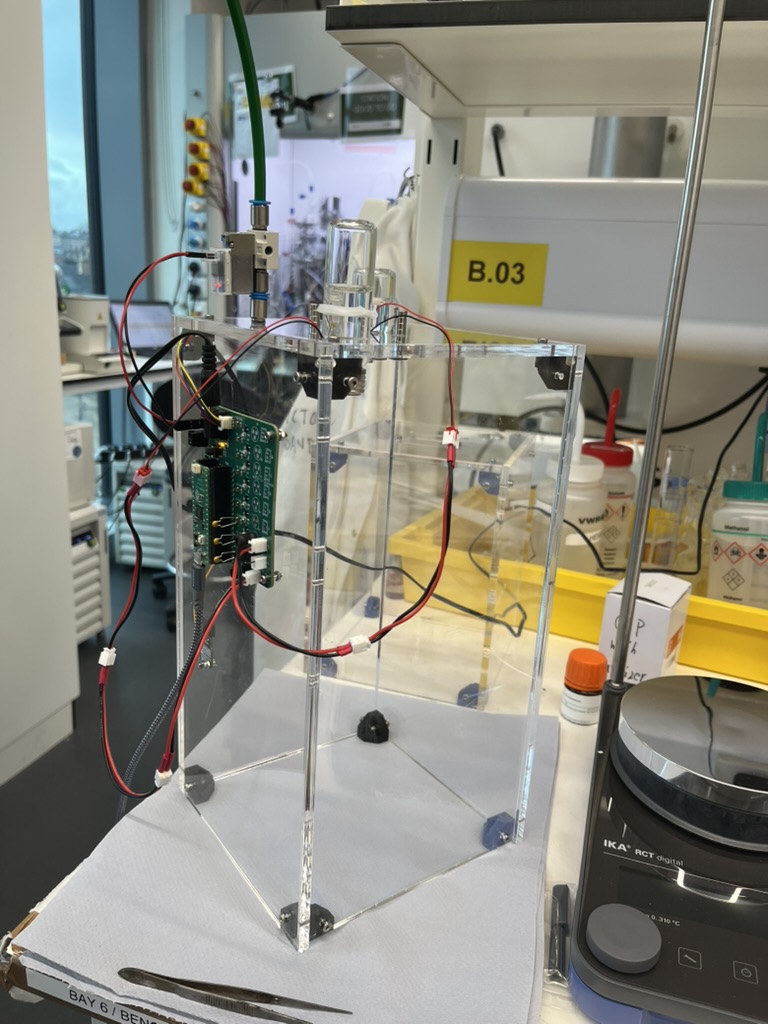
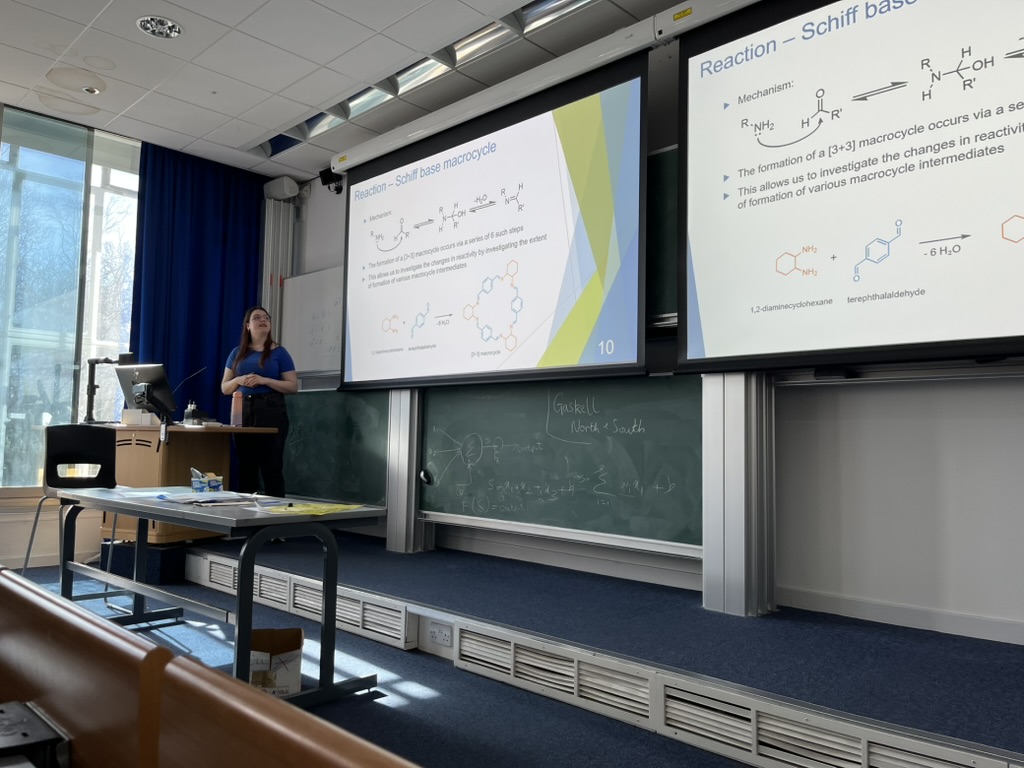
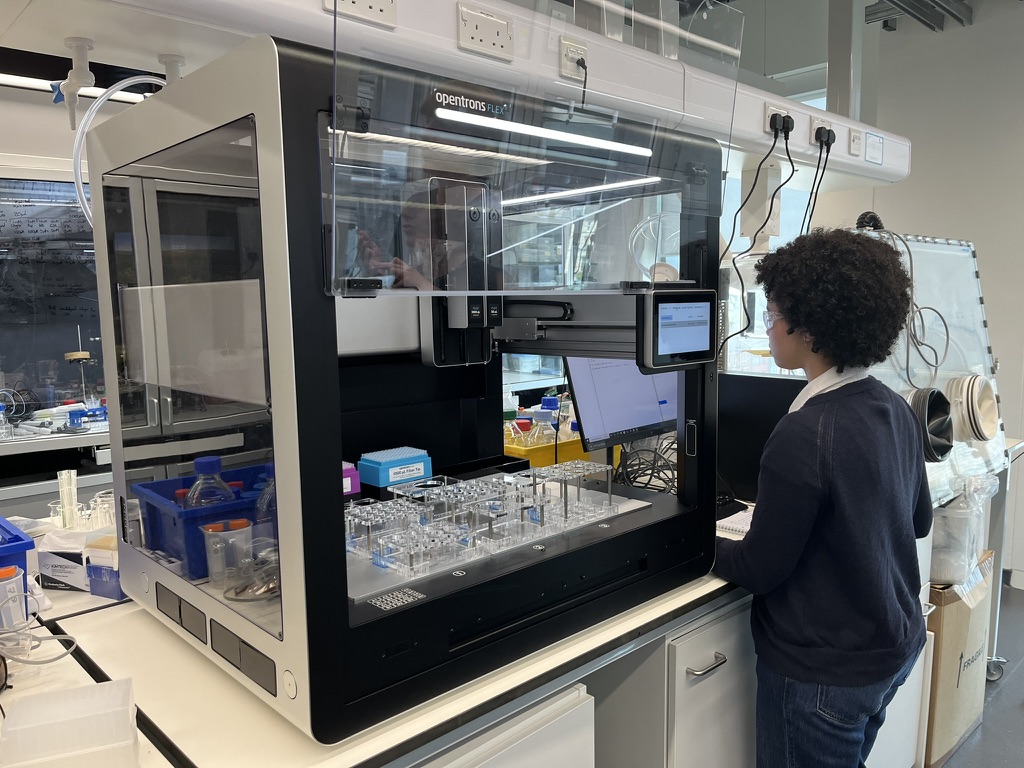
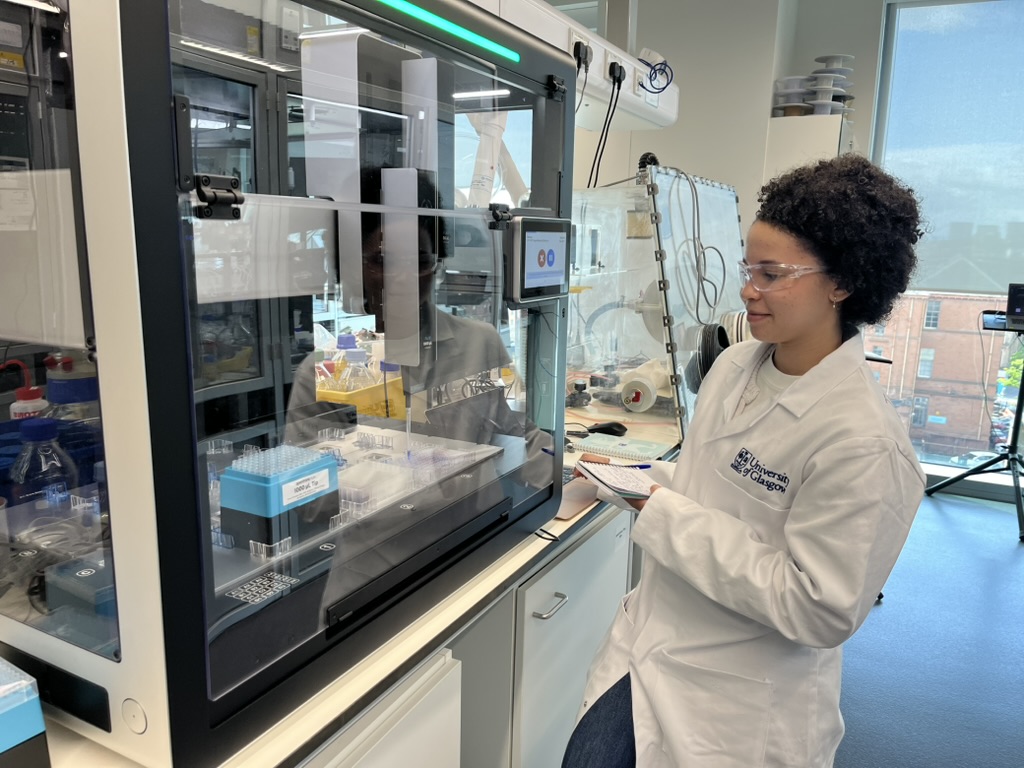
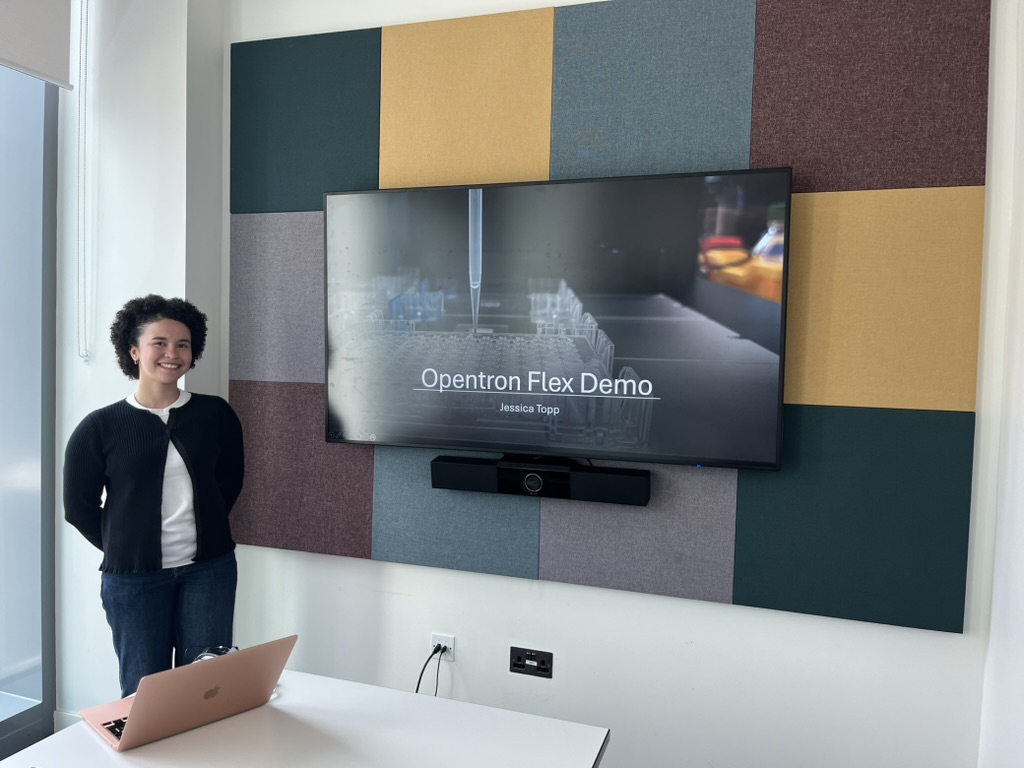
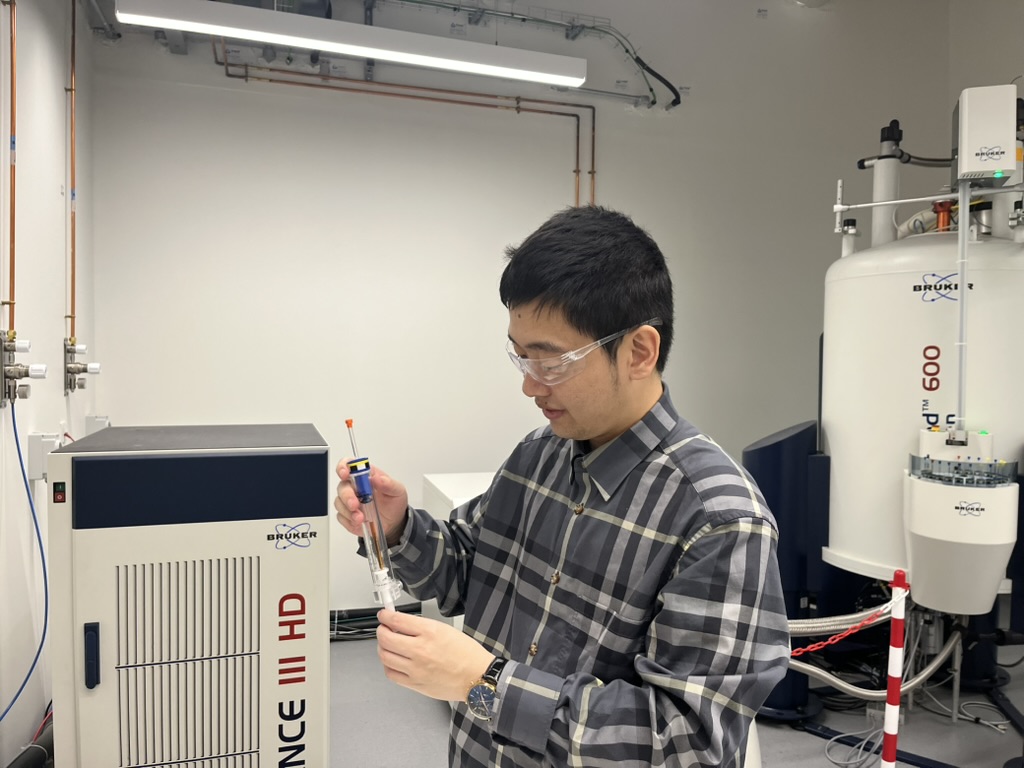
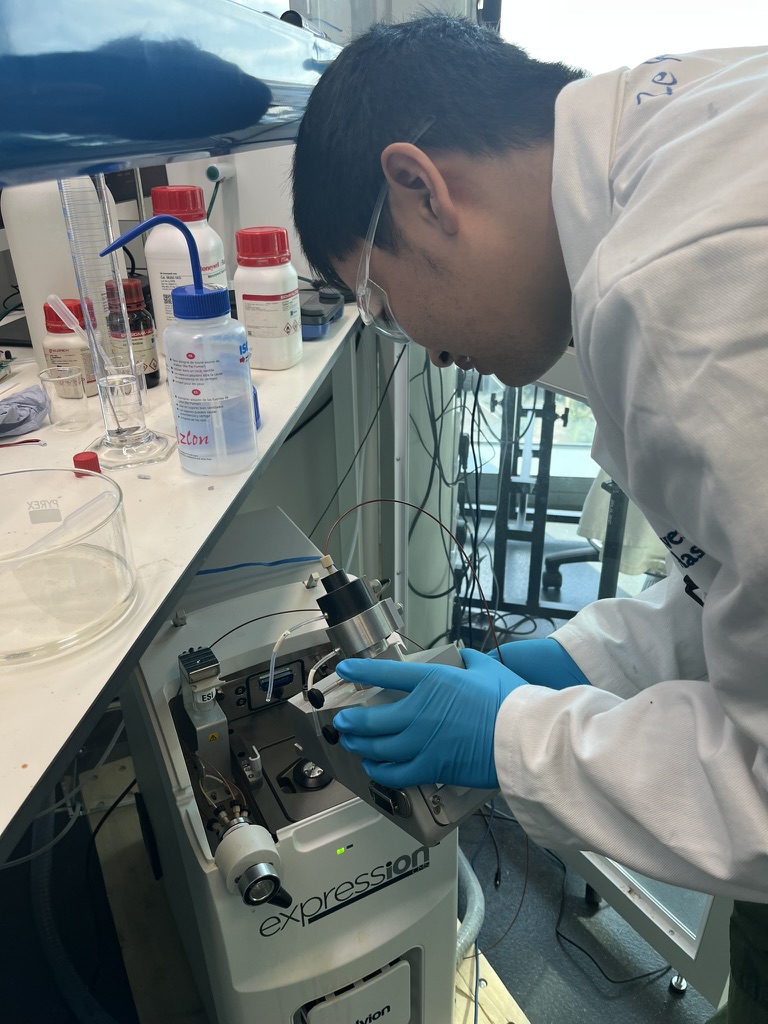
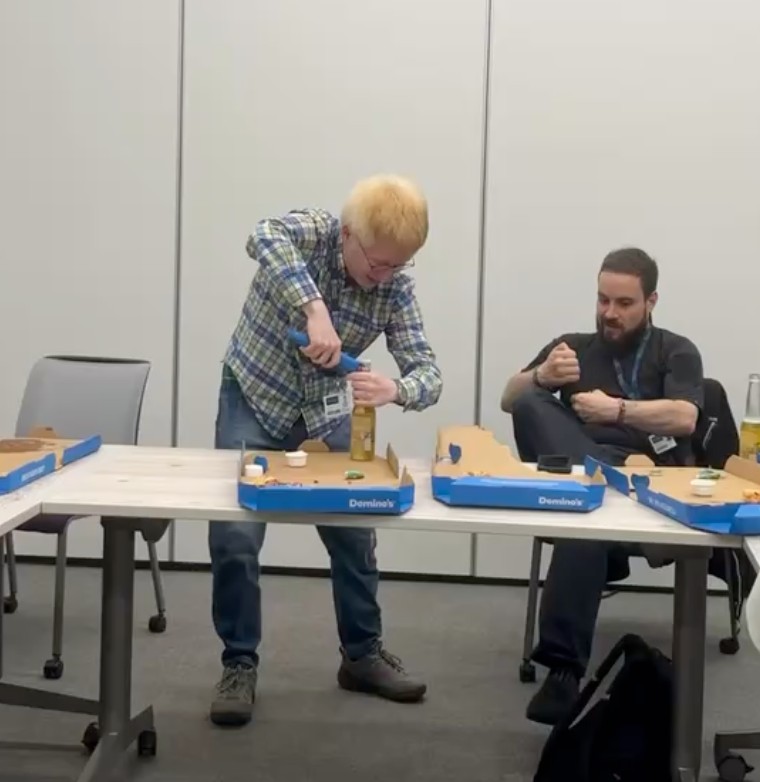
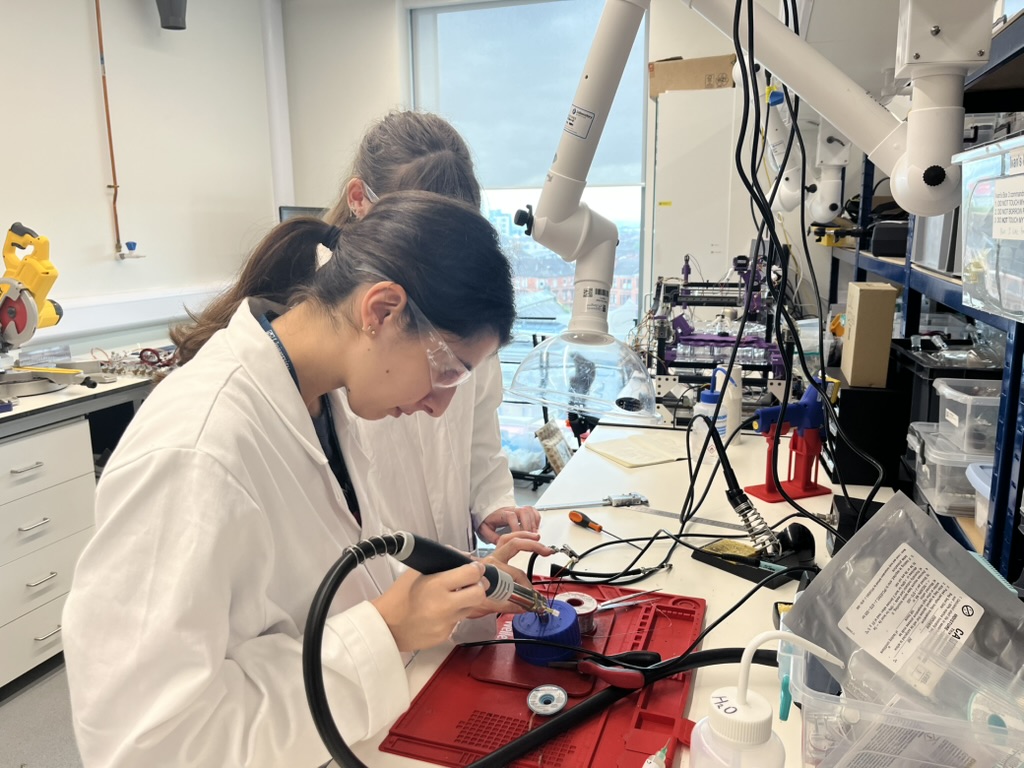
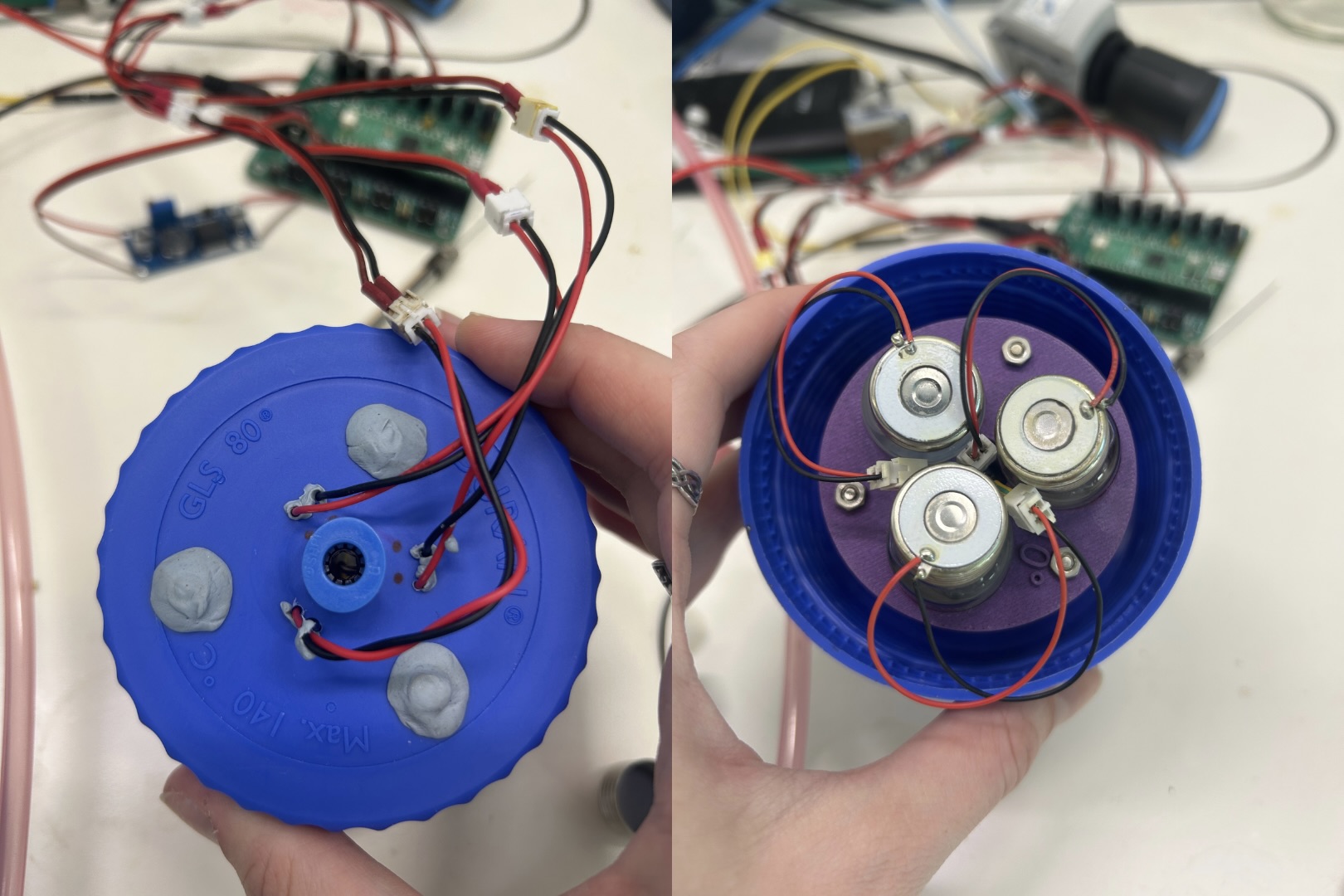
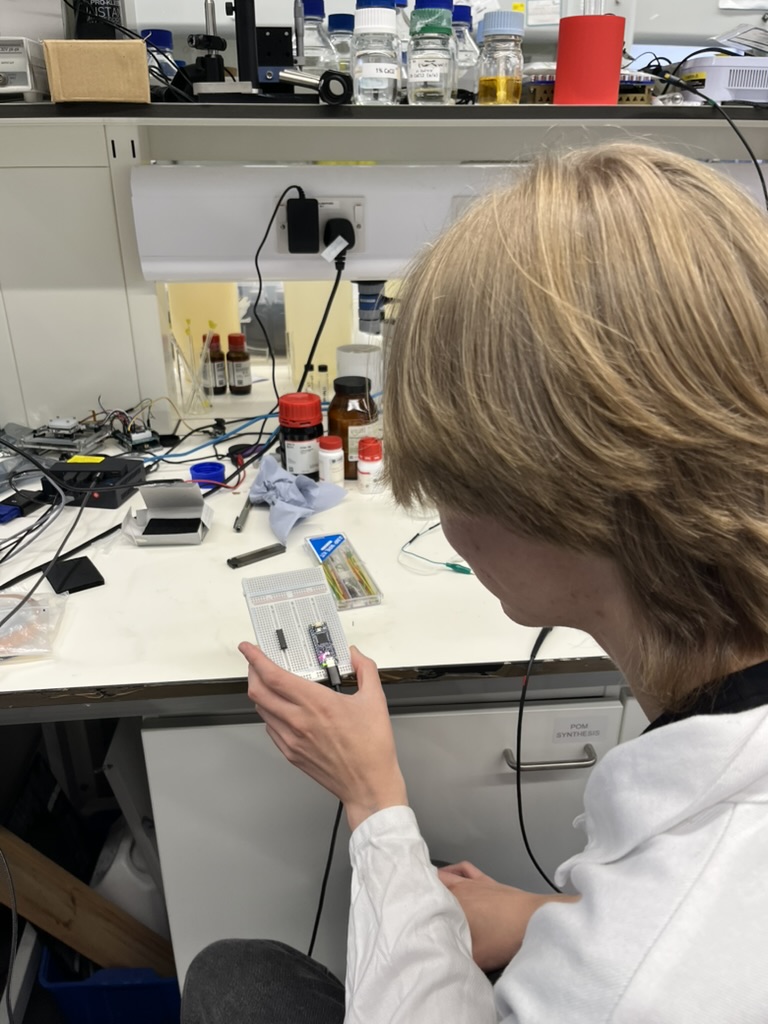
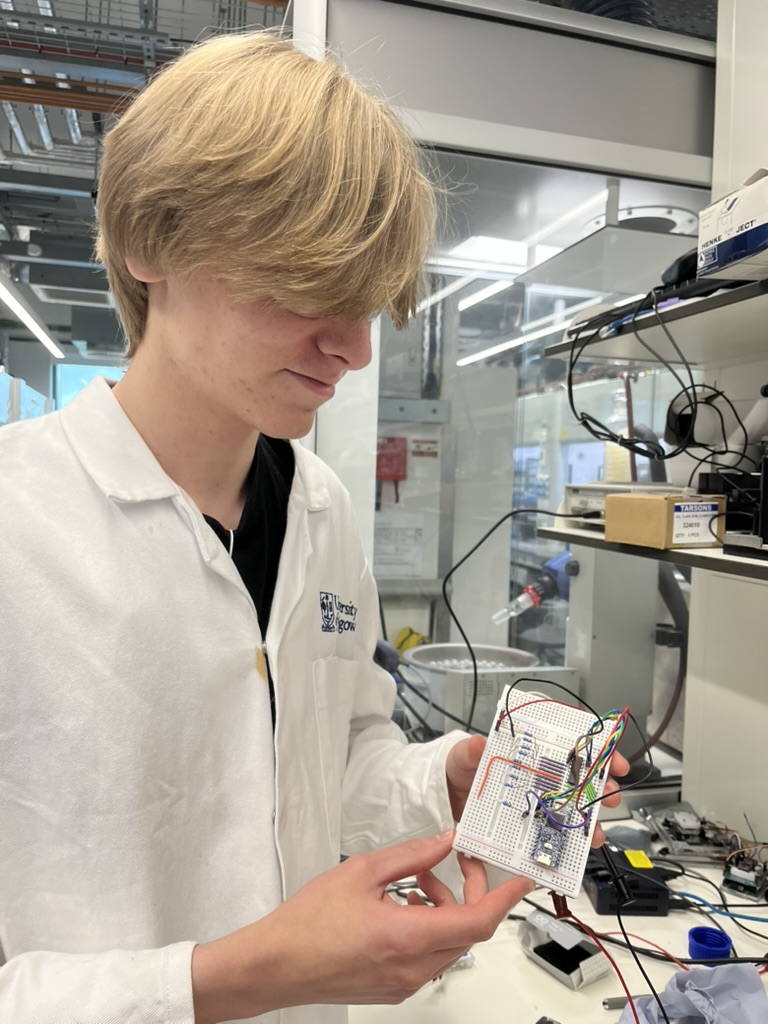
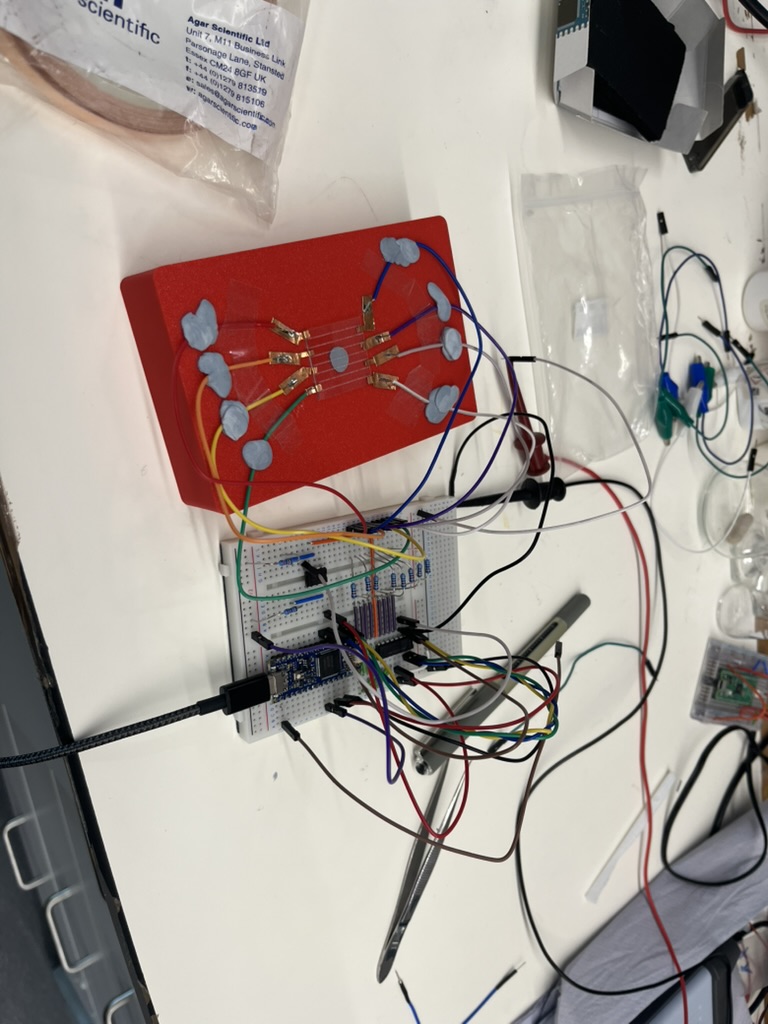
Chemical Studies students Logan and Huijing made faux slime mould using different hydrogels and tried to re-create behaviour paralleling that of slime mould in the lab.Basia took on a challenging thesis project looking at whether reactions in microdroplets can be controlled simply by adjusting the ambient solvent vapour pressure.A closer look at Basia’s setup.Basia gave an amazing presentation at the end of her project.Jessica went from never having used an automated setup to learning all there is to know about the Opentrons Flex, and taught the rest of us! We even designed custom parts for the Flex that will be the basis of future projects using the system.Zehua worked tirelessly on projects ranging from aerosol mass spectrometry to unusual shape-shifting Schiff bases.Not only did Luokun pass his first PhD annual progression, he also learned to open a beer bottle with a rolled up pizza box!Kyriaki (chemical biology PGT) and Mirin (summer intern) wiring up the reactor before an experiment. Later prototypes were more polished, I promise!Fearlessly creative, Atticus took on the challenge of gathering information from inhomogeneous chemical reactions using electrochemistry. He built some really neat circuits with no prior engineering background. As with most summer internships I learned just as much about electrochemistry as he did.
Papers
We published four peer-reviewed papers and four pre-prints this year, including the following.
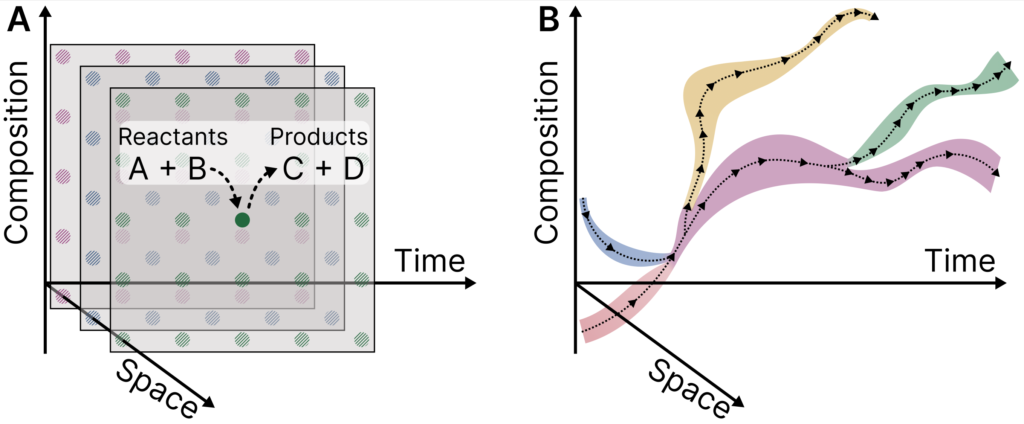
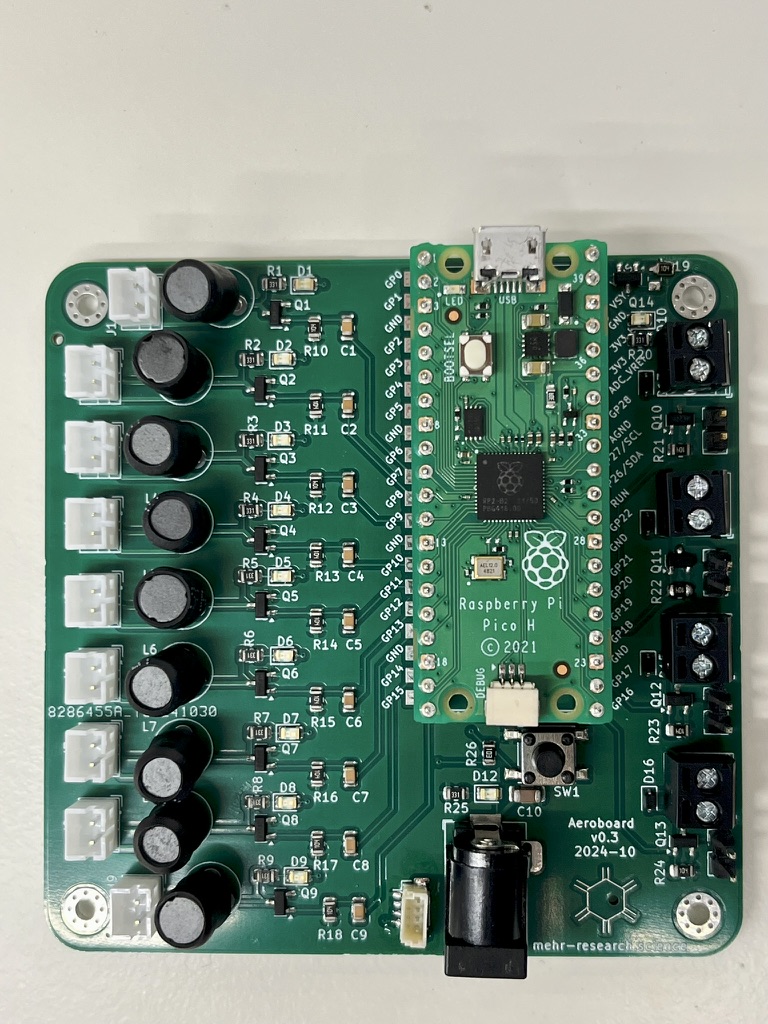
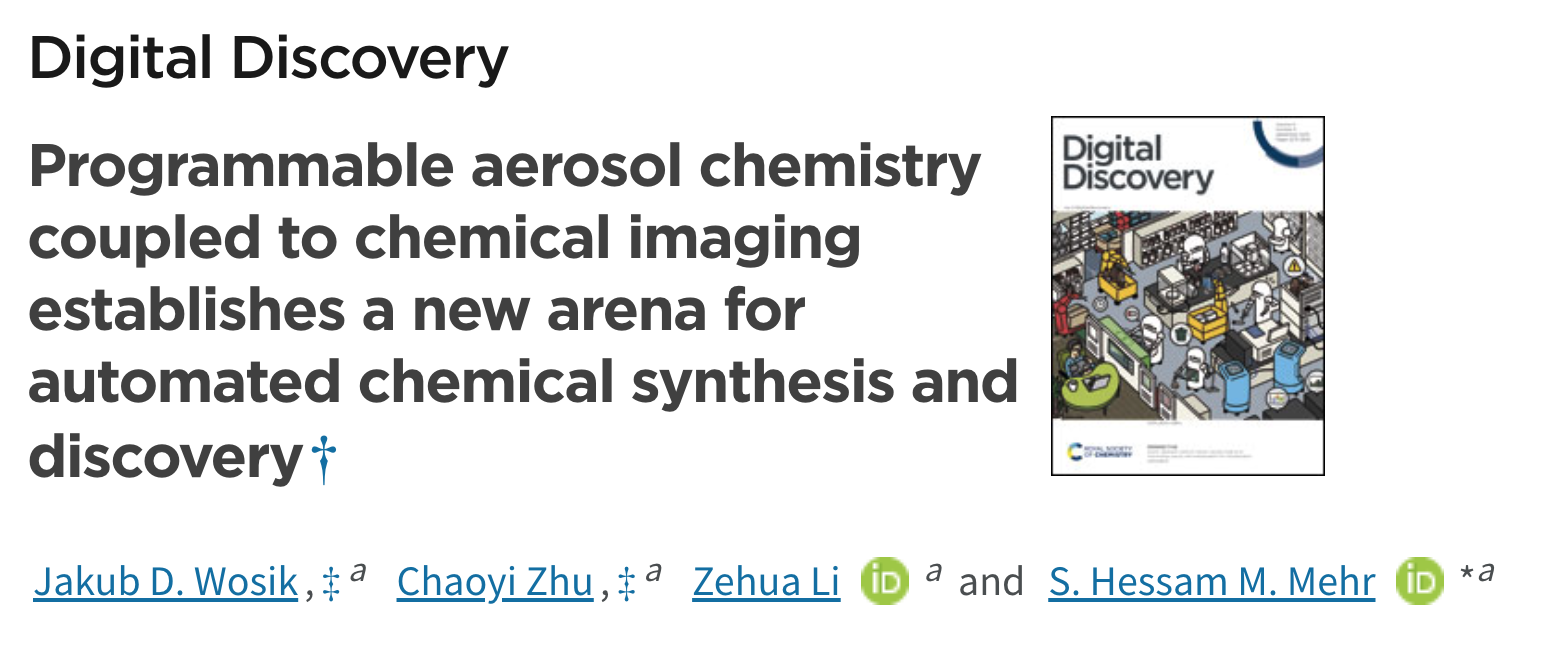
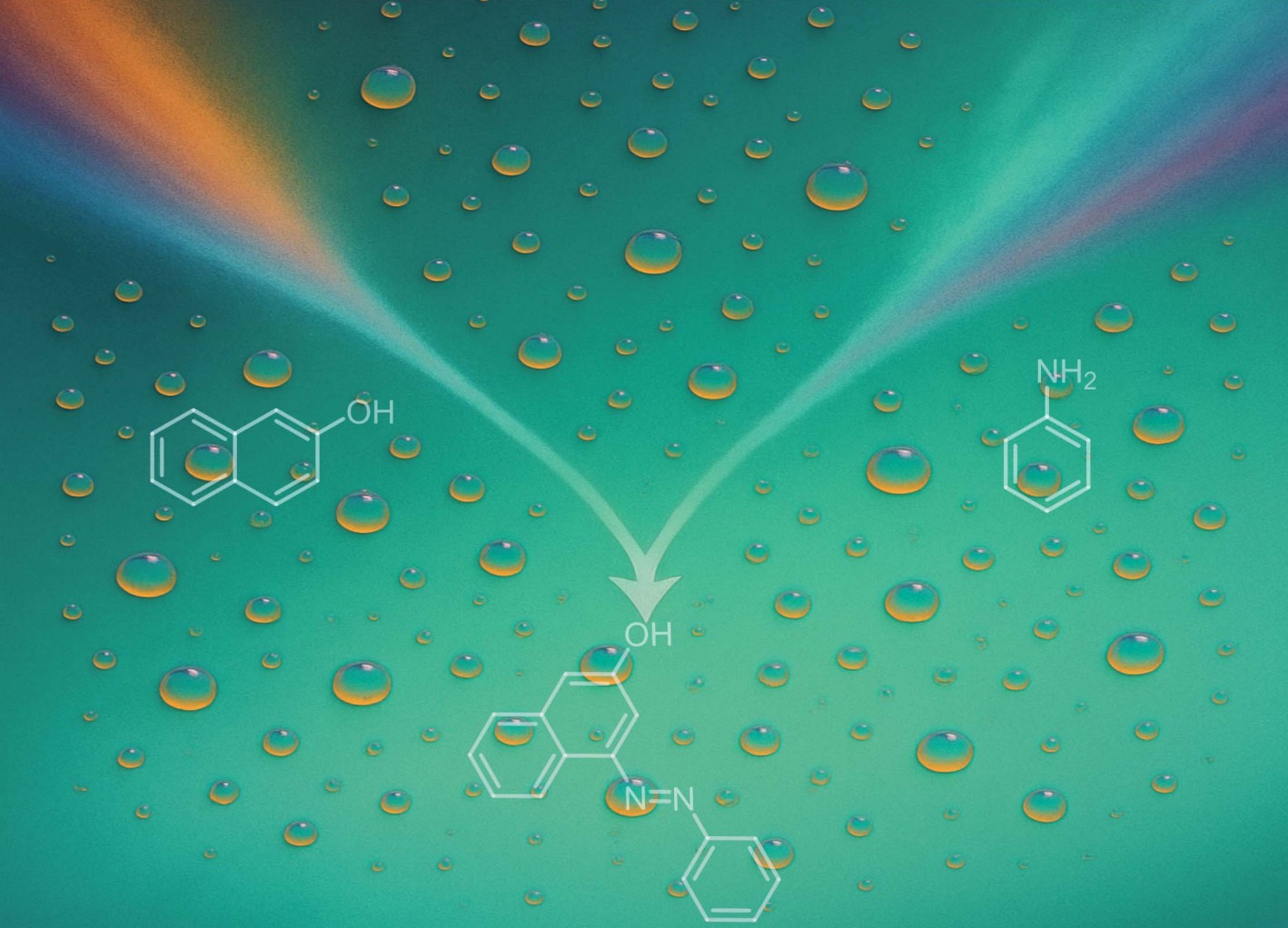
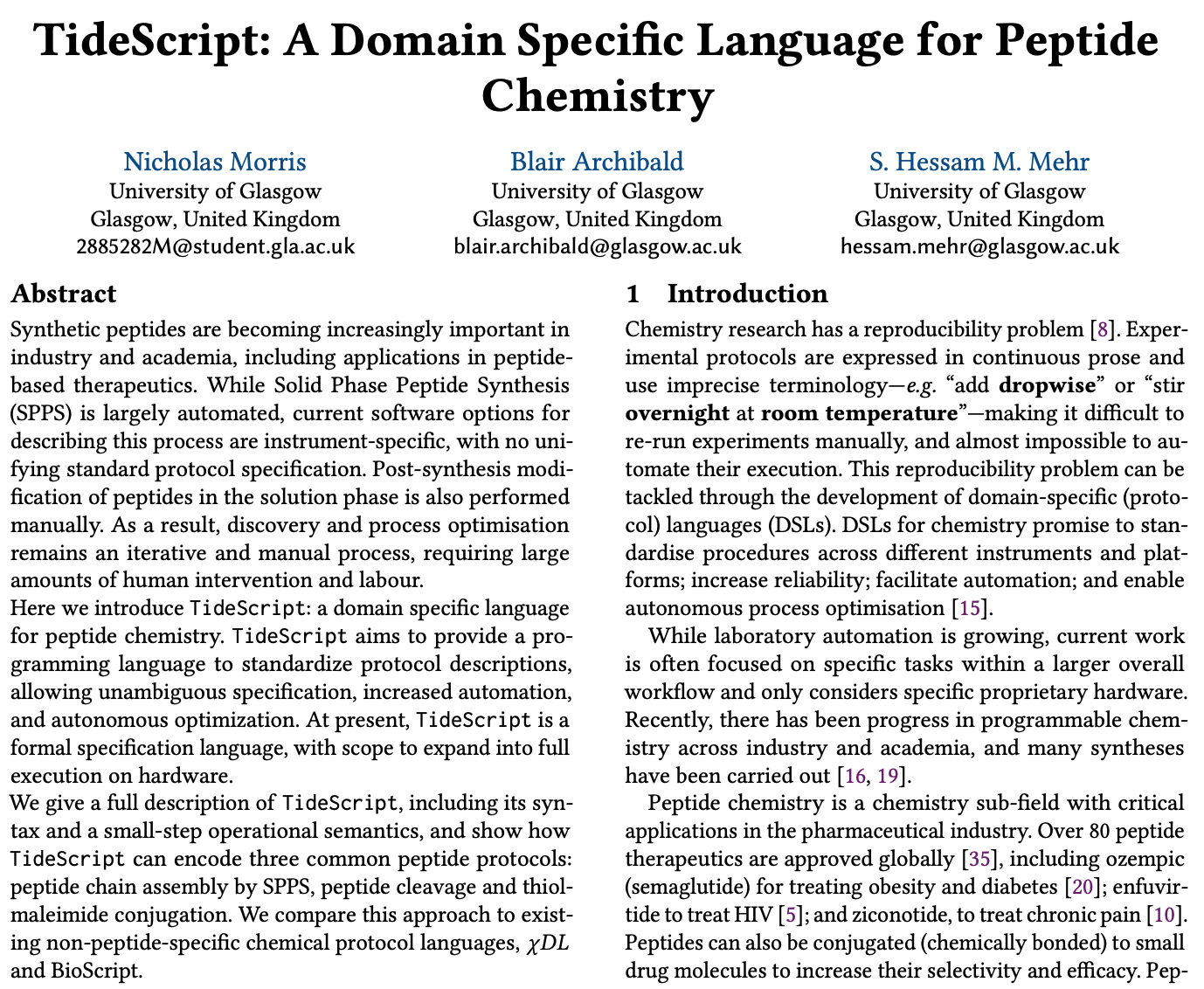
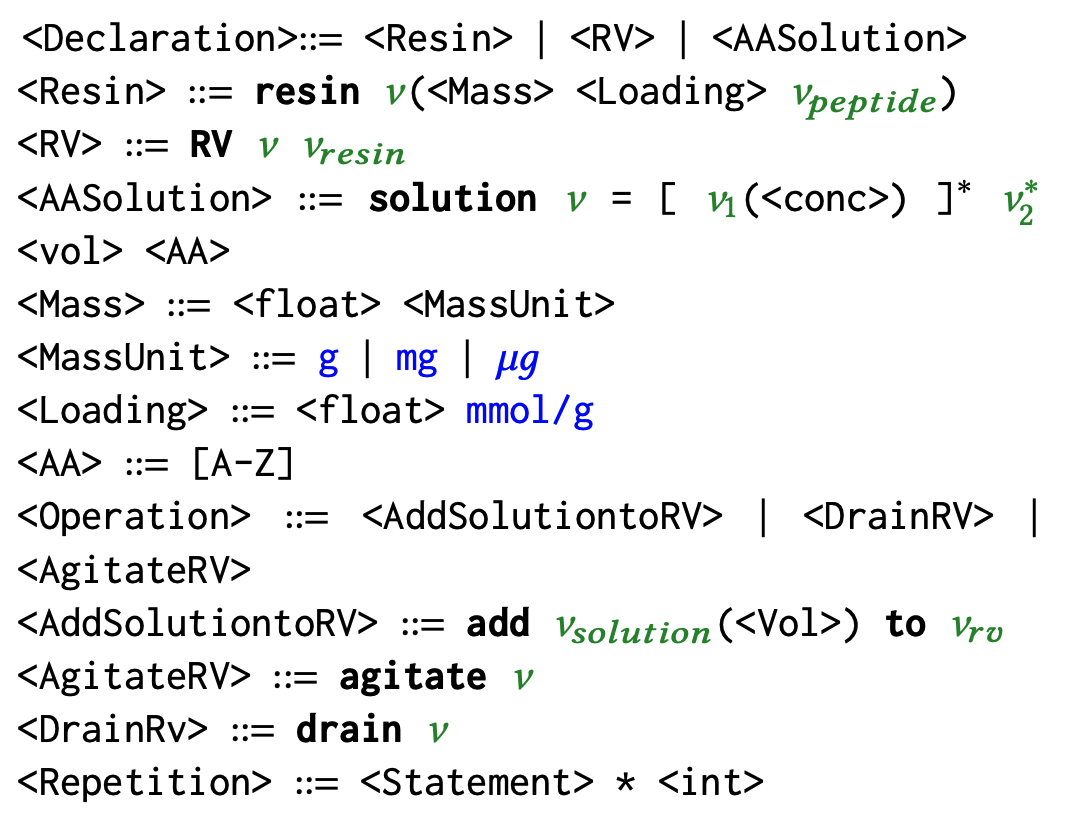
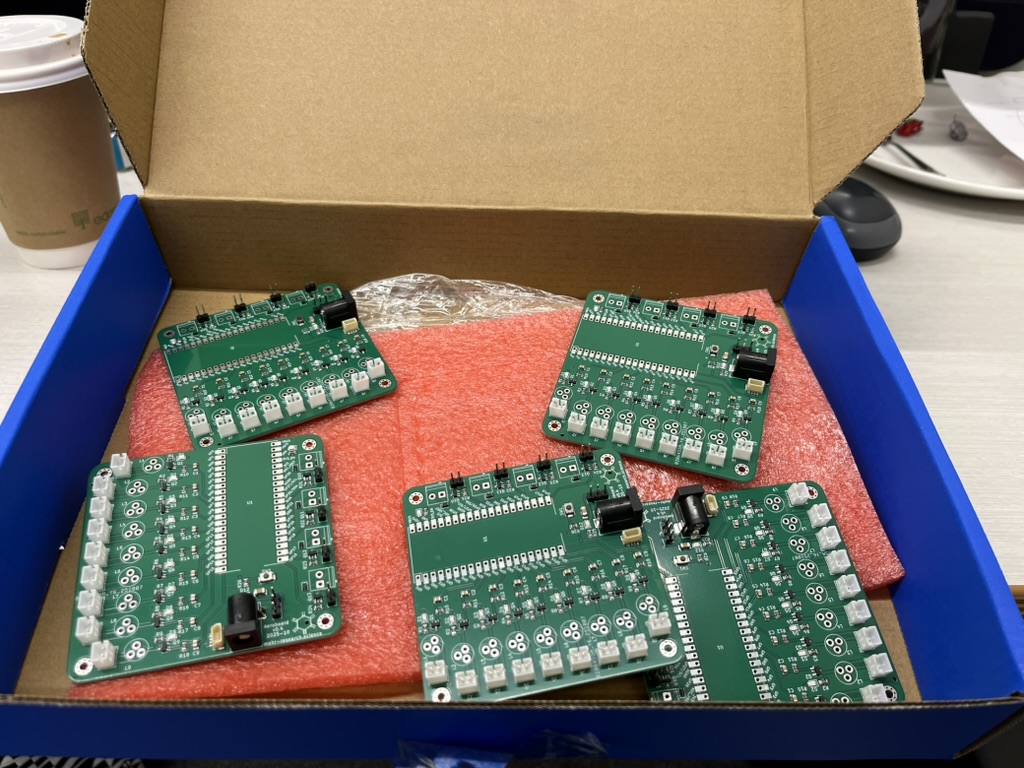
With chemical discovery using AI just around the corner, is it time to shut down the lab? Is the future chemistry lab simply a large robot farm? In this paper, I argue that we have left so much on the table when it comes to how chemistry experiments are conceived, monitored and interpreted.Our programmable microdroplet experiments are controlled using a mini-language called CtrlAer that is embedded in MicroPython (rather than starting a language from scratch). CtrlAer has allowed the team to describe complex sequences of aerosol release using a simple notation that executes on the Raspberry Pi Pico microcontroller board. Our homemade AeroBoard, which houses the Pico as a daughter board, powered many of our experiments this year.Using microdroplets as tiny reaction vessels sounds like a nice idea, but does it actually work? And how do you detect and monitor reactivity at such a small scale? This paper was our first step towards answering these questions.Nick’s industry background in peptide synthesis combines with formal programming language methods in this paper. One of the benefits of building your own experimental setups is being able to improve your tools as you go. The new and improved AeroBoard v0.4 arrived in our lab in November.
Events
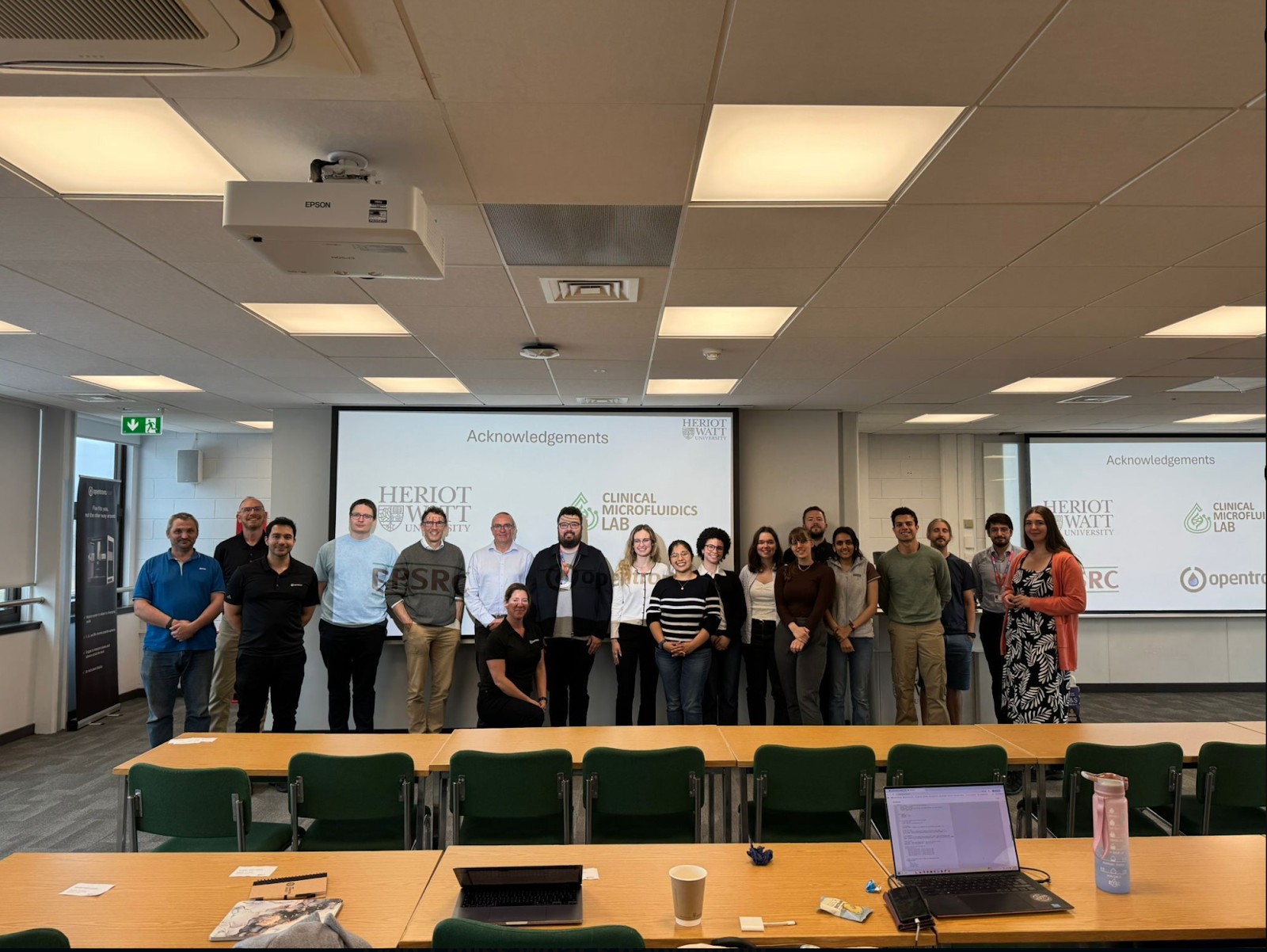
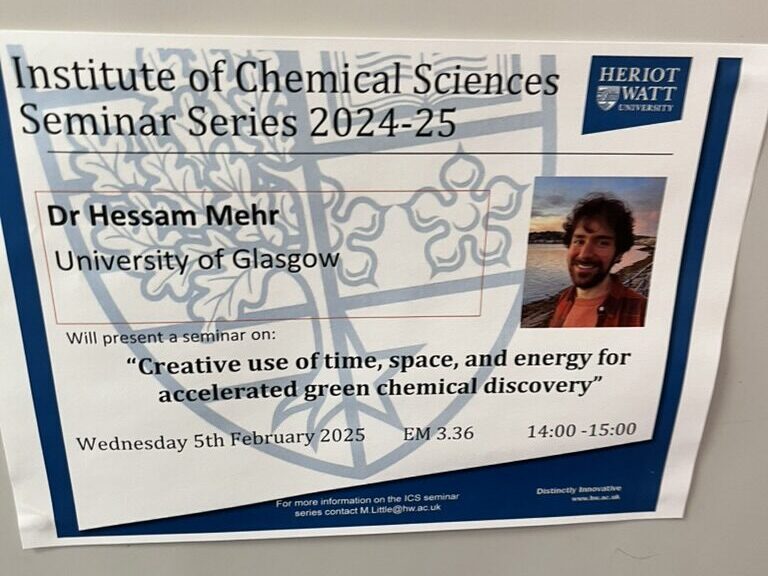
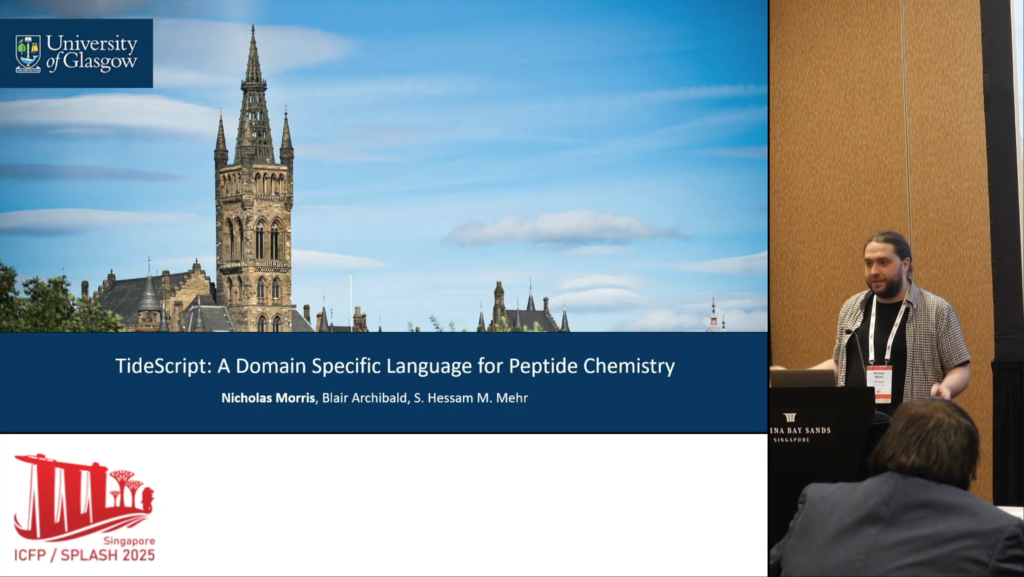
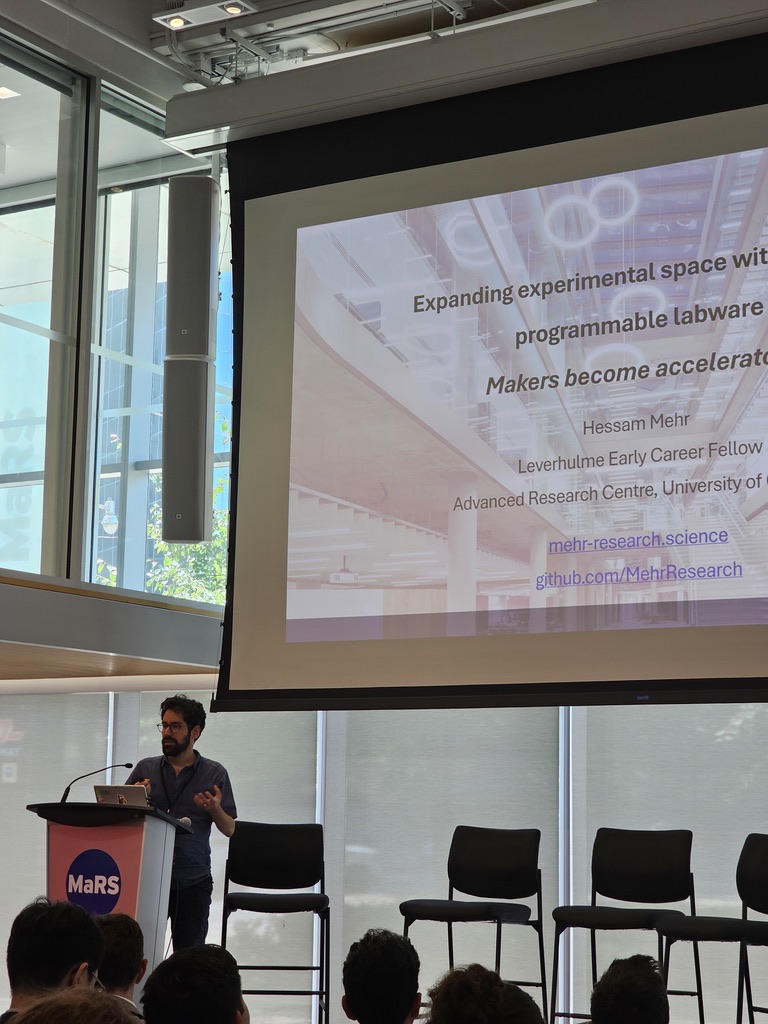
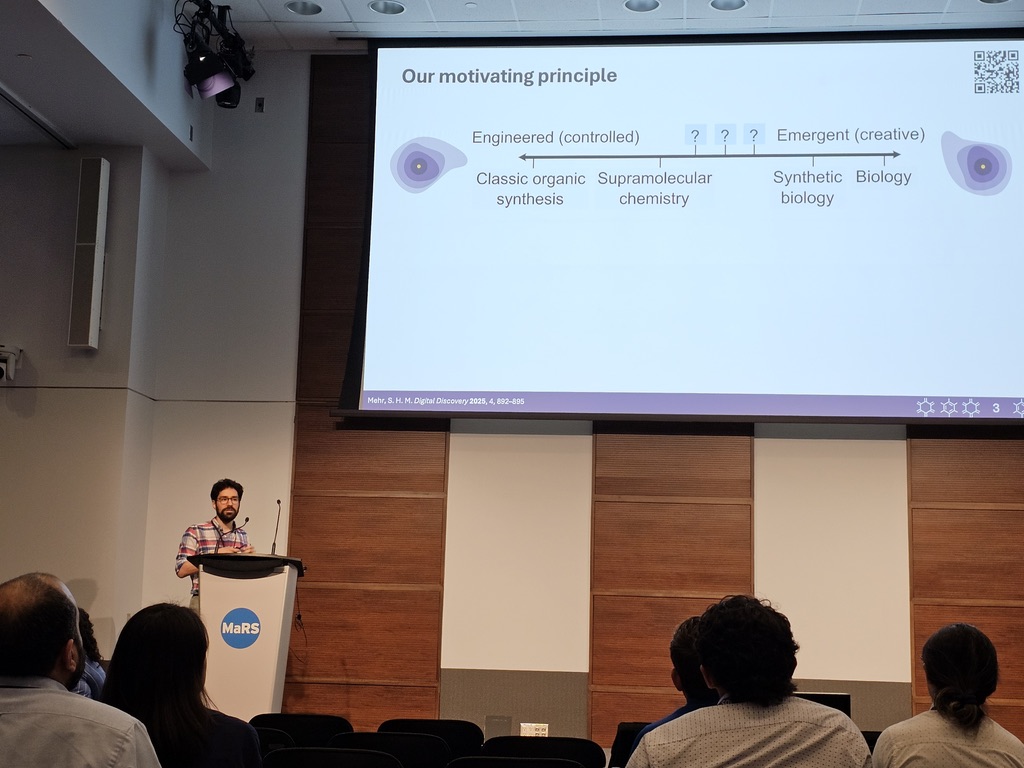
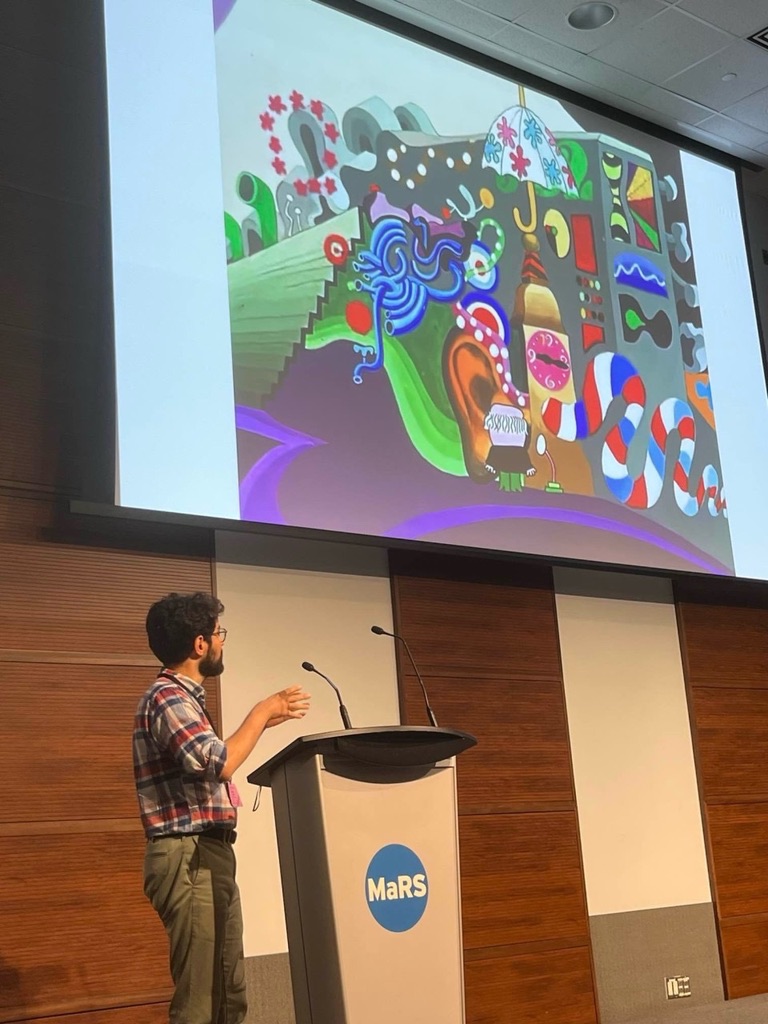
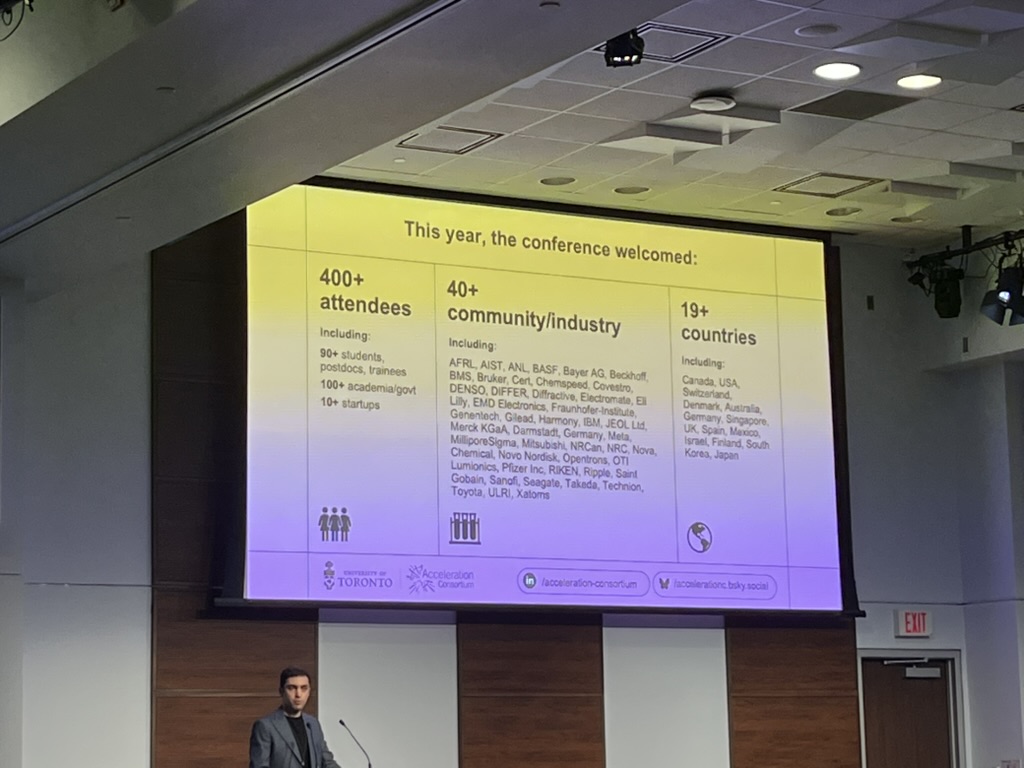
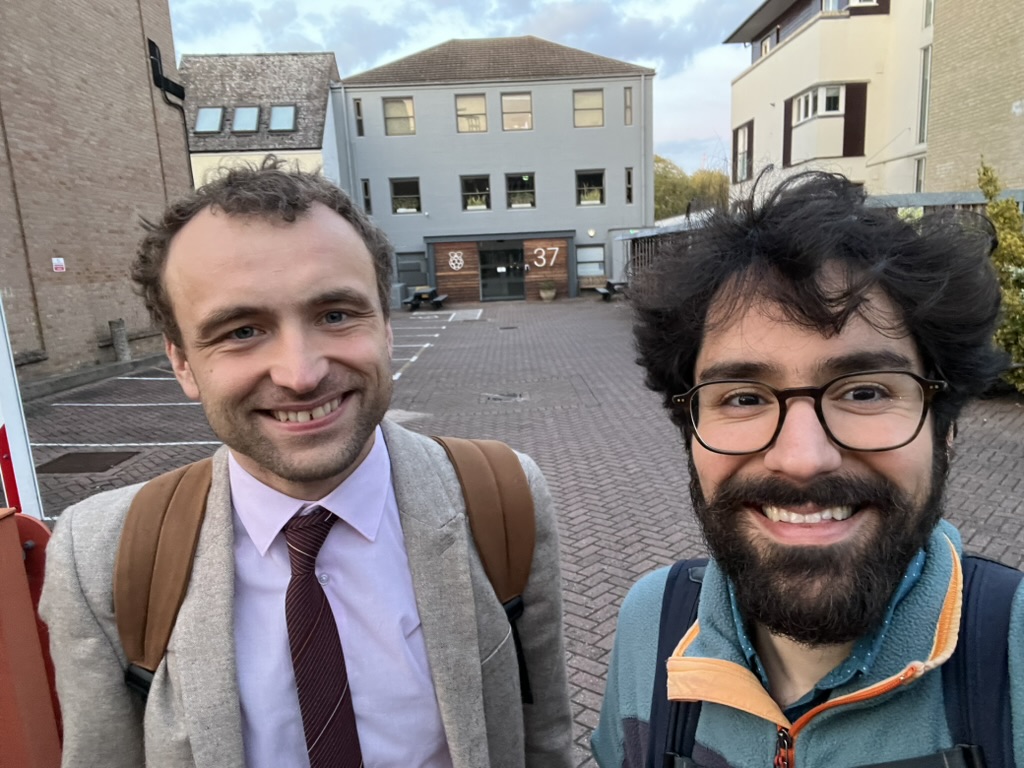
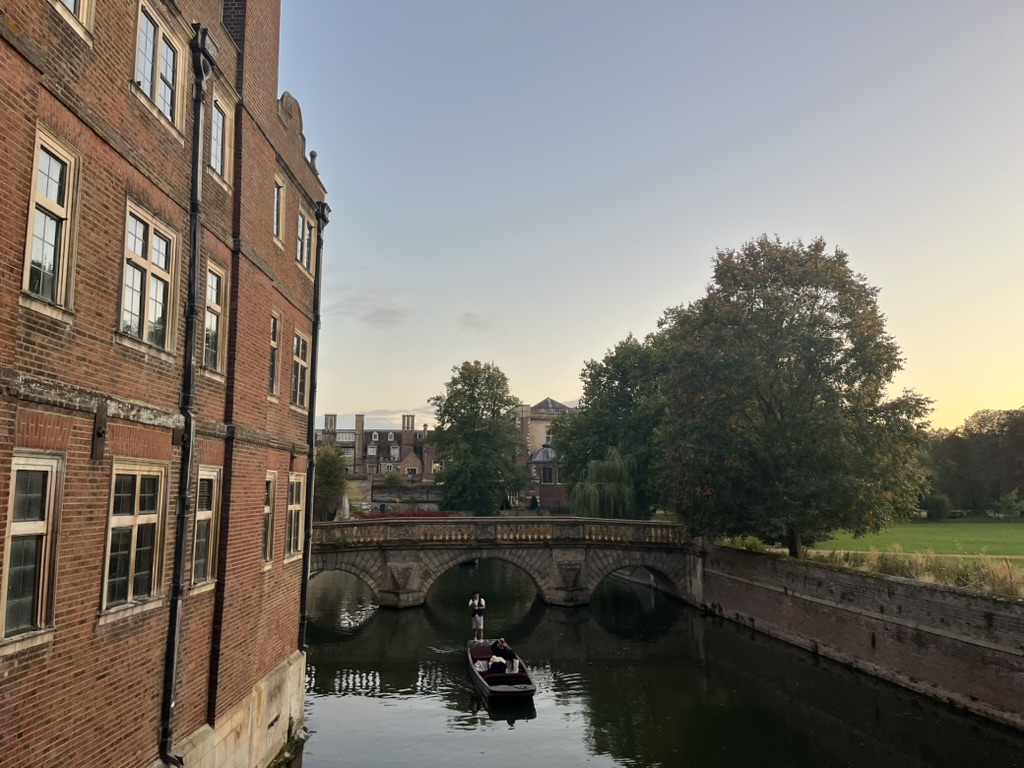
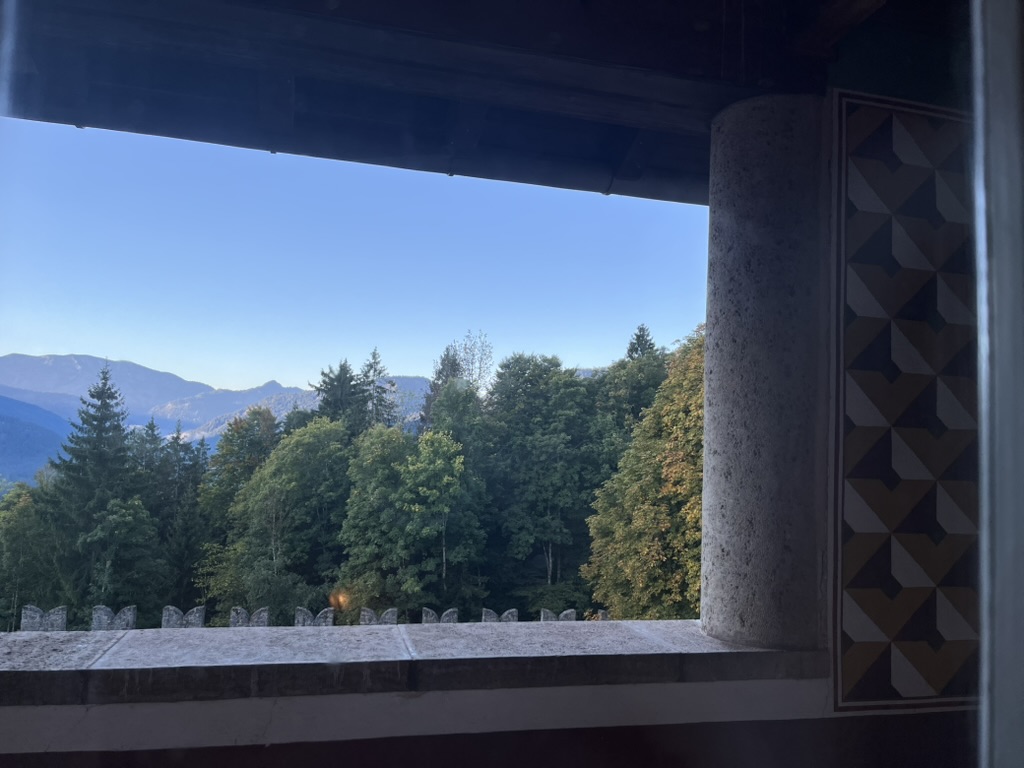
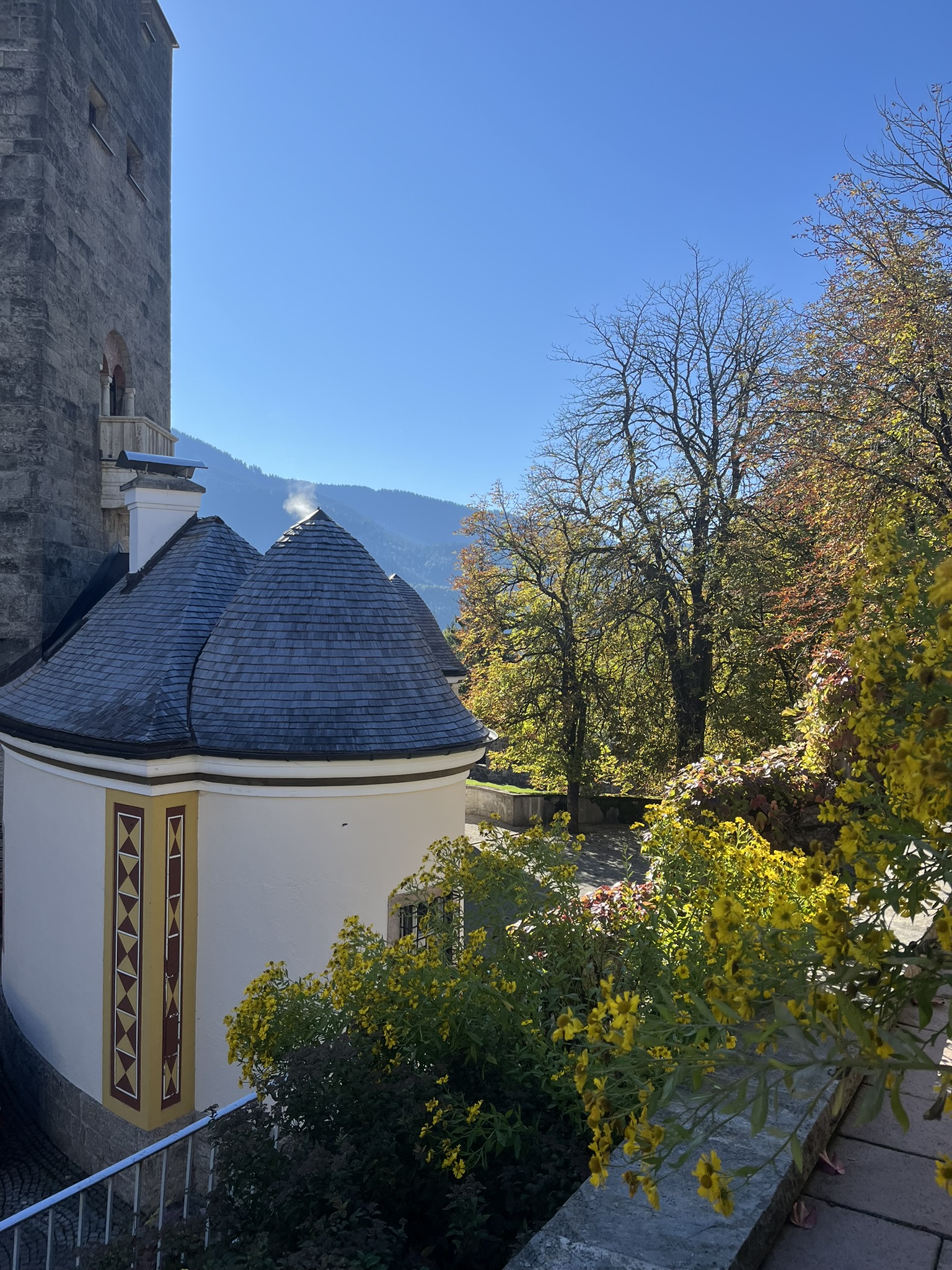
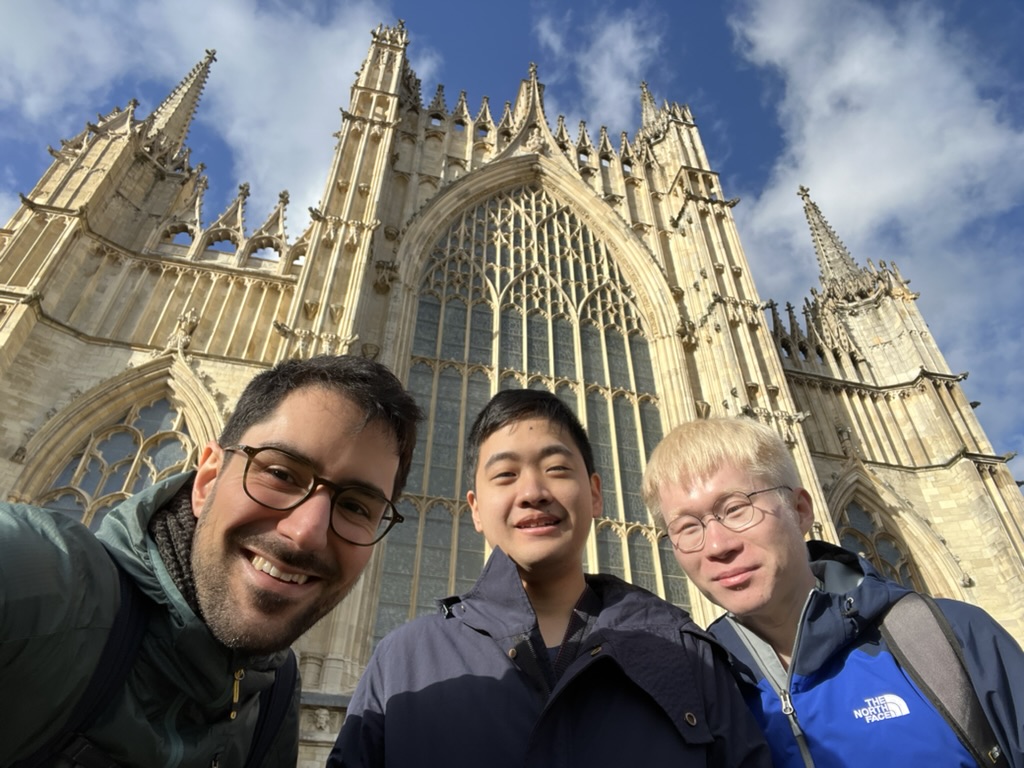
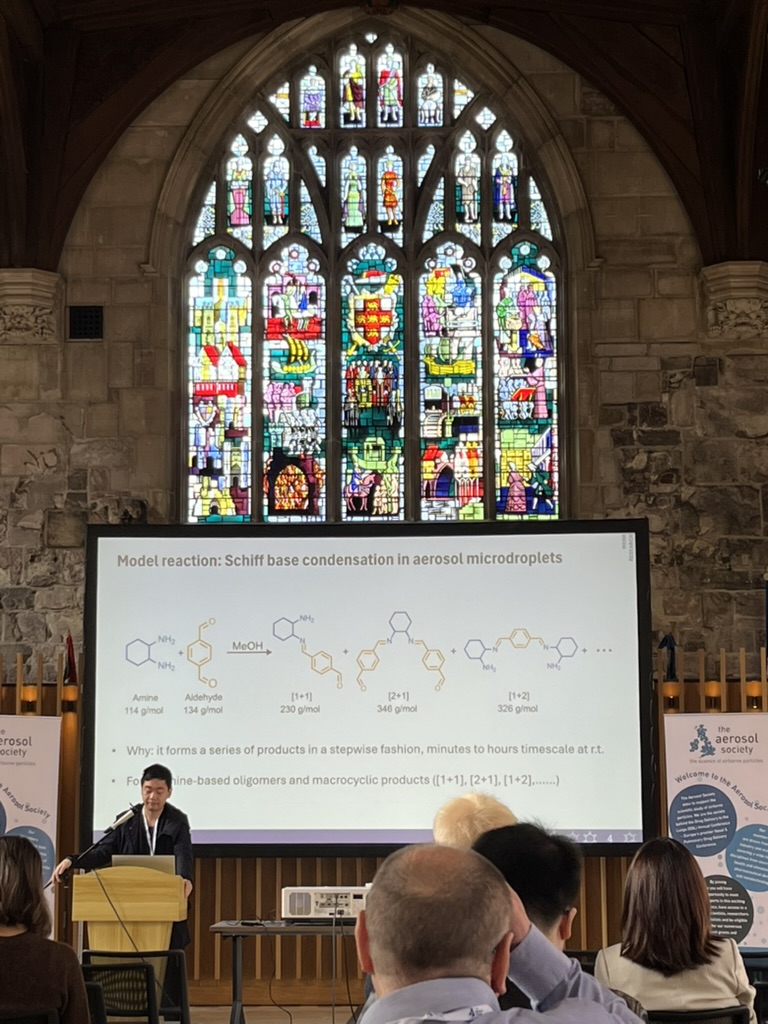
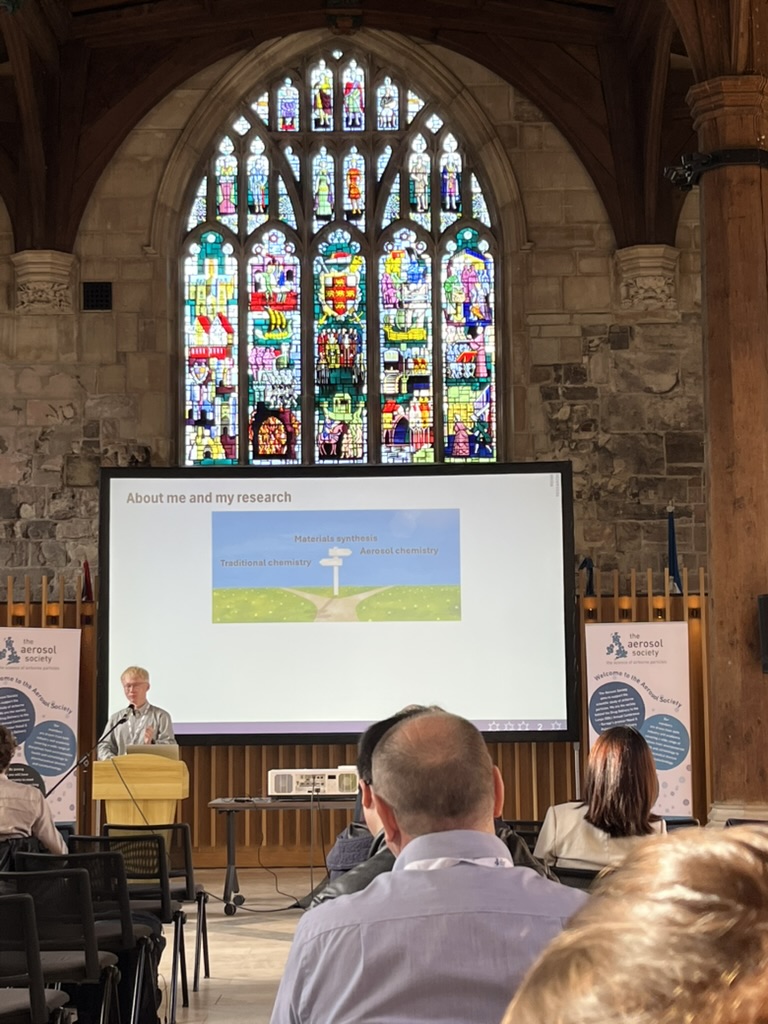
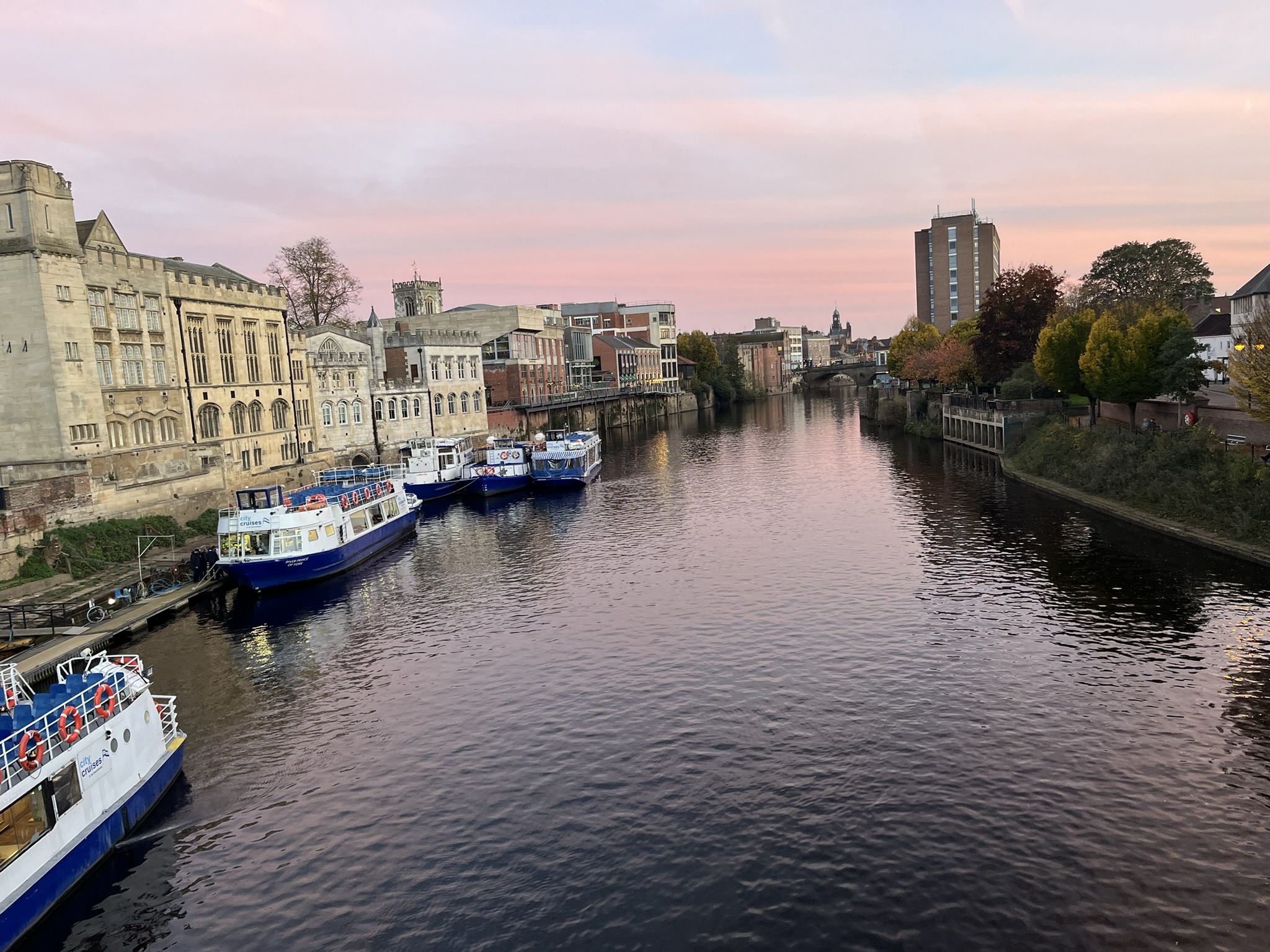
The Heriot Watt Institute of Chemical Sciences kindly invited me to give a talk about our search for new experimental foundations in chemistry.Nick presented his paper on a domain-specific language for peptide synthesis at the ACM SIGPLAN Onward! conference in Singapore (video). I was in Toronto for the 2025 Accelerate conference, where I was given the opportunity to present two talks and a poster on behalf of the team. Kudos to the Accelerate organisers for a jam-packed event bringing together scientists from more than 19 countries.RSC AI in Chemistry Conference in Cambridge (top), followed by the Ringberg Conference, organised in a castle nestled in the beautiful Bavarian countryside. Many thanks to the organisers in the Micro Nano and Molecular Systems Group, Heidelberg for the kind invitation and opportunity to speak.October took us to beautiful York once again, where Luokun and Zehua presented their work on aerosols for materials and organic chemistry at the Annual Aerosol Science Conference.

Leave a Reply
You must be logged in to post a comment.